

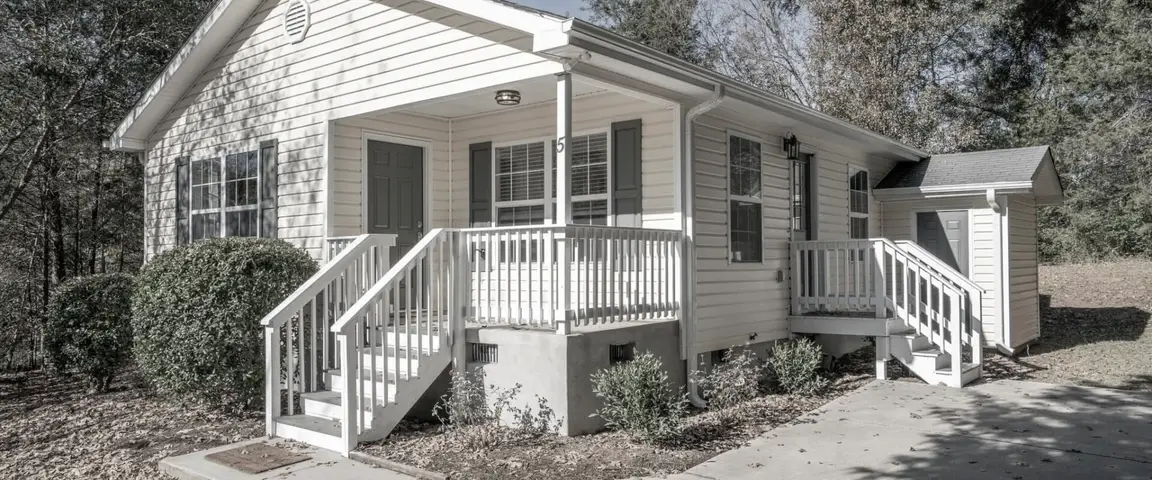
Relocating can be exciting, but trying to sell a house in Greenville, SC while planning a move can quickly become stressful.
You may be starting a new job, moving closer to family, downsizing, relocating for retirement, or simply moving to another city or state. Whatever the reason, you still need to decide what to do with your Greenville property.
For most homeowners, the main choices are:
- Sell before moving
- List the property and move before it sells
- Keep the house as a rental
- Sell directly to a local cash home buyer
The best option depends on your timeline, property condition, finances, and how much uncertainty you’re comfortable managing during the move.
Here is what to consider before making your decision.
Should You Sell Your Greenville House Before You Move?
For many homeowners, selling before relocating is the simplest option because it allows them to complete one major financial responsibility before starting somewhere new.
Selling before moving may make sense if you:
- Need the equity for your next home
- Don’t want two housing payments
- Don’t want to manage a vacant property from another state
- Don’t want to become a landlord
- Need to simplify your move
- Have a firm relocation deadline
However, selling traditionally can take time.
You’ll potentially need to prepare the house, photograph it, schedule showings, negotiate offers, handle inspections, wait for financing, and coordinate closing with your moving schedule.
If your relocation date is approaching quickly, comparing other selling options may be worthwhile.
How Early Should You Start Preparing to Sell?
Ideally, start evaluating your options as soon as you know you’re relocating.
Your timeline should account for:
Preparing the house
Cleaning, repairs, painting, landscaping, decluttering, and staging can take time.
Marketing
A traditional listing needs photos, marketing, showings, and potential open houses.
Finding a buyer
There’s no guarantee that the first person who views the property will make an acceptable offer.
Inspection and appraisal
After accepting an offer, inspections or appraisals may lead to additional negotiations.
Buyer financing
Mortgage-backed buyers usually need their financing completed before closing.
If your move doesn’t allow enough time for those steps, a direct sale may offer a simpler alternative.
Option 1: List Your Greenville House With a Real Estate Agent
A traditional listing can make sense when the property is in good condition and you have enough time before moving.
Potential advantages include:
- Exposure to a larger pool of buyers
- Opportunity to pursue a retail-market price
- Professional marketing and negotiation assistance
But consider the practical demands as well.
You may need to:
- Complete repairs
- Clean and stage the property
- Allow multiple showings
- Keep the house presentable
- Negotiate inspection requests
- Wait for appraisal
- Wait for buyer financing
- Coordinate closing around your relocation
If you have several months and aren’t under significant time pressure, listing may be worth considering.
Option 2: Sell Your Greenville House As-Is
If you’re relocating and don’t want to spend weeks repairing and preparing the property, you may consider selling it as-is.
This can be particularly useful when the house has:
- An older roof
- Outdated kitchen or bathrooms
- HVAC issues
- Plumbing problems
- Foundation concerns
- Water damage
- Cosmetic damage
- Deferred maintenance
- Unwanted belongings
Selling as-is doesn’t necessarily mean accepting the first offer you receive. It means evaluating the property in its current condition instead of completing renovations first.
GSP Investors buys houses in Greenville in various conditions.
Learn about selling your house fast in Greenville, SC.
Option 3: Sell Directly to a Cash Home Buyer
A direct cash sale removes several steps associated with a traditional listing.
Instead of preparing the property for the open market, you work directly with a buyer who evaluates the house and makes an offer.
This option may be worth considering if:
- Your relocation date is approaching
- The property needs significant repairs
- You don’t want repeated showings
- The home is vacant
- You’re already living in another state
- You want more flexibility around closing
Before choosing any buyer, understand how their offer works and what the closing process involves.
You can review how GSP Investors buys houses before deciding whether this type of sale fits your situation.
Option 4: Keep the Property as a Rental
You don’t necessarily have to sell simply because you’re relocating.
Keeping the property as a rental may make sense if:
- The expected rent covers your expenses
- The property is in good condition
- You want long-term real estate exposure
- You’re comfortable being a landlord
- You can hire reliable local property management
But managing a Greenville rental while living elsewhere can involve:
- Tenant screening
- Rent collection
- Repairs
- Maintenance
- Vacancies
- Property management fees
- Insurance
- Taxes
- Emergency issues
Before becoming an out-of-state landlord, calculate the realistic net income rather than looking only at monthly rent.
Selling Before Moving vs. Selling After Moving
Both approaches have advantages.
Selling Before You Relocate
Selling before leaving Greenville can make it easier to:
- Attend inspections
- Handle repairs
- Meet contractors
- Remove belongings
- Complete paperwork
- Resolve unexpected issues
It also means you won’t need to manage an unsold property remotely.
Selling After You Move
Moving first can reduce pressure if your new job or relocation date can’t wait.
However, you may need to manage:
- Vacant-property security
- Lawn maintenance
- Utilities
- Insurance
- Repairs
- Showings
- Closing documents
If you’re already outside South Carolina and want a simpler process, ask potential buyers or agents how much can be handled remotely.
What If You Need to Sell and Move Quickly?
If you have a firm relocation deadline, start with the date you need to leave and work backward.
Determine:
- When you need to move.
- Whether you need proceeds from the house for your next property.
- How much preparation the home requires.
- Whether a traditional sale can realistically fit the timeline.
- What alternatives are available if it cannot.
Don’t wait until the week before moving to begin comparing options.
If you’re considering a direct sale, you can request a cash offer from GSP Investors and compare it with your other options.
What If the Greenville House Needs Repairs?
Relocation is often the worst time to begin a major renovation.
You’re already dealing with moving costs, packing, transportation, deposits, possibly purchasing another property, and changes to your work or family schedule.
Before spending heavily on:
- Kitchen remodeling
- Bathroom renovations
- Flooring
- Roof replacement
- Interior painting
- Landscaping
- Structural repairs
ask whether those improvements are actually necessary for the way you plan to sell.
A traditional listing may benefit from certain repairs.
A direct buyer may be willing to evaluate the property in its current condition.
Compare the expected selling price, repair cost, holding costs, and timeline before deciding.
What If You’ve Already Moved Out of Greenville?
You can still sell the property.
If the home is vacant, make sure you address:
- Insurance requirements
- Utilities
- Lawn care
- Security
- Routine property checks
Also consider whether someone local needs access to the property for inspections, repairs, showings, or other tasks.
With the right closing arrangements, much of the transaction may be coordinated without requiring you to return repeatedly.
Should You Make Repairs Before Relocating?
Focus on repairs that materially affect safety, function, or your chosen selling strategy.
For example, spending thousands on cosmetic renovations shortly before moving may not make sense if your goal is simply to sell quickly and move on.
Before repairing everything, compare:
Option A: Repair + list traditionally
versus
Option B: Sell in current condition
Look at your likely net proceeds, not simply the highest possible asking price.
How Much Does It Cost to Keep a House After Moving?
An unsold home can continue costing you money every month.
Possible expenses include:
- Mortgage payments
- Property taxes
- Homeowners insurance
- Utilities
- Landscaping
- HOA fees
- Maintenance
- Repairs
- Security
- Property management
These carrying costs matter when comparing a faster sale with waiting for a potentially higher offer.
A higher selling price several months later isn’t necessarily more profitable if you spent thousands maintaining the property while waiting.
How to Prepare Your Greenville House for a Move
If you decide to sell traditionally, create a simple preparation plan.
Remove What You Want to Keep
Separate sentimental or valuable items early so you’re not making rushed decisions during the move.
Handle Important Repairs
Address issues that could affect inspections or buyer confidence.
Declutter
A cleaner property is easier to photograph and show.
Gather Property Documents
Keep relevant information together, including repair records, warranties, HOA information, and other documents related to the property.
Compare Selling Options
Before committing, compare the likely timeline and net result of listing versus selling directly.
Traditional Listing vs. Direct Cash Sale When Relocating
| Traditional Listing | Direct Cash Sale |
|---|---|
| May require preparation and repairs | Property can be evaluated as-is |
| Multiple showings may be needed | No public showings required |
| Buyer may rely on mortgage financing | Cash purchase avoids conventional buyer financing |
| Agent commissions may apply | No listing-agent commission in a direct sale |
| Timing depends on market and buyer | Closing may offer more flexibility |
| Potential retail-market exposure | Focus on convenience and simplicity |
Neither option is automatically best.
Choose based on your property condition, available time, finances, and relocation priorities.
How GSP Investors Helps Greenville Homeowners Who Are Relocating
GSP Investors LLC works with homeowners throughout Greenville and Upstate South Carolina who want an alternative to a traditional property listing.
The process is straightforward.
1. Tell Us About Your Greenville Property
Provide the address and some basic information about the house.
2. We Review the Property
The team evaluates its condition, location, and relevant details.
3. Review Your Cash Offer
You can compare the offer with listing, renting, or other options.
4. Choose Your Closing Timeline
If you decide to proceed, the closing schedule can be coordinated around your situation.
See how the GSP Investors home-buying process works.
Frequently Asked Questions About Selling a House When Relocating
Should I sell my Greenville house before moving?
It depends on your timeline and finances. Selling before moving can eliminate carrying costs and simplify the transition, while moving first may be necessary if your relocation date is fixed.
Can I sell my house after I’ve already moved out of South Carolina?
Yes. Many parts of a real estate transaction can be coordinated remotely, although the exact process depends on the transaction and closing arrangements.
Should I rent my Greenville house instead of selling?
Renting may make sense if expected income supports the property’s expenses and you’re comfortable managing a rental from another location. Calculate management fees, repairs, vacancies, insurance, taxes, and other costs first.
Do I need to repair my house before selling?
Not necessarily. A traditional listing may benefit from repairs, but a direct buyer may consider the property as-is.
Can I sell a house that still has a mortgage?
Generally, a house can be sold while a mortgage remains. The applicable mortgage payoff and other valid obligations are normally addressed through closing.
What if I’m relocating very quickly?
Start comparing options immediately. Determine whether a traditional listing can meet your timeline and compare alternatives such as a direct sale if necessary.
Can GSP Investors buy my house after I’ve already moved?
GSP Investors can evaluate Greenville and Upstate SC properties even when the owner has relocated. Contact the team with information about the property and your situation.
Ready to Sell Your Greenville House Before Relocating?
Moving is already a major transition. Selling your property doesn’t need to make it more complicated.
Before deciding, compare:
- Keeping the property
- Renting it
- Listing traditionally
- Selling directly
Consider the timeline, repairs, carrying costs, expected net proceeds, and amount of work each option requires.
If selling directly may fit your relocation plans, GSP Investors LLC can evaluate your Greenville property and provide an offer for you to consider.
Get a Cash Offer for Your Greenville House
Want to see what other clients have experienced?
Read GSP Investors customer reviews.