

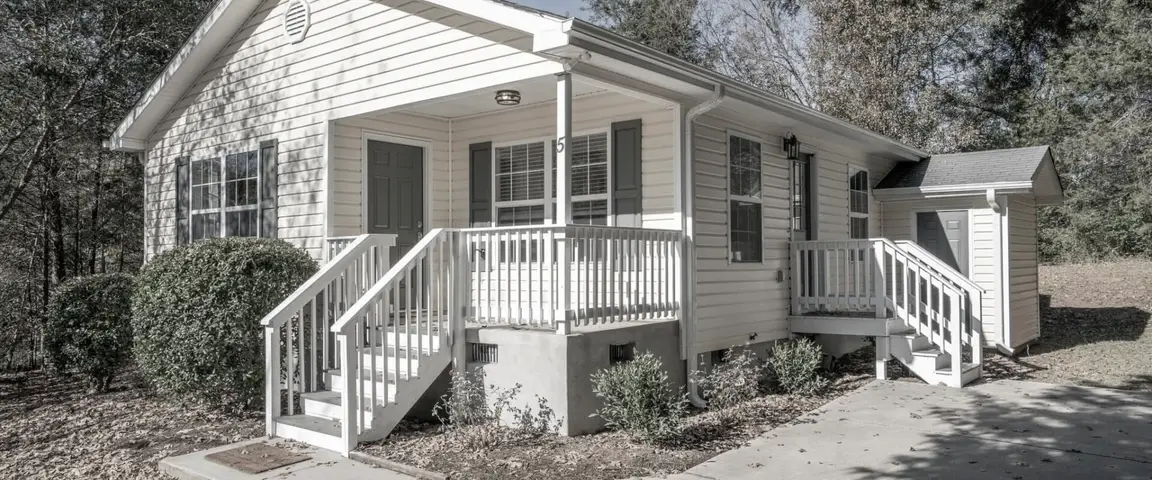
Inheriting a house can leave you dealing with important property decisions at the same time you’re handling the loss of a family member.
If you’ve inherited a house in Greenville, South Carolina, you generally have three main options: keep the property, rent it, or sell it. Which choice makes the most sense depends on the estate, the condition of the property, whether there are other heirs, ongoing expenses, and your own financial plans.
The first thing to remember is that you don’t have to make every decision immediately. Start by understanding who legally controls the property, whether probate is required, what the house may be worth, and what it will cost to keep it.
Below, we’ll walk through the key steps Greenville homeowners and heirs should consider.
What Should You Do First After Inheriting a House in Greenville?
Before deciding whether to sell or rent the property, find out exactly where things stand legally and financially.
Start by determining:
- Whether there is a valid will
- Who has been appointed personal representative of the estate
- Whether the property must go through probate
- Whether there is an outstanding mortgage
- Whether property taxes or other bills are due
- Whether multiple people inherited an interest in the property
- What condition the house is currently in
For estates handled locally, the Greenville County Probate Court provides information about probate, estate administration, required documents, and the responsibilities of a personal representative.
According to Greenville County, the personal representative is responsible for collecting, protecting, and administering estate assets, paying valid claims and costs, and ultimately distributing property to the appropriate beneficiaries.
Does an Inherited House in Greenville Have to Go Through Probate?
Sometimes, but not every inherited property situation is the same.
Greenville County says probate proceedings generally belong in the county when the deceased was a permanent Greenville County resident or was a nonresident who owned property there.
If the deceased did not leave a will, the estate is considered intestate, and distribution is determined according to South Carolina intestacy law.
The ownership structure also matters. Property held through certain survivorship arrangements or other estate-planning structures can be treated differently.
If you’re unsure whether you have legal authority to sell the house, talk with the estate’s probate attorney or Greenville County Probate Court before signing a sales contract.
Can You Sell an Inherited House in Greenville During Probate?
It may be possible, but who can authorize the sale depends on how the property is owned and where the estate is in the probate process.
South Carolina’s probate system includes procedures for the sale of real estate through an estate, including a specific Petition for Sale of Real Estate form.
Before listing the property or accepting an offer, confirm that the person signing the contract has authority to sell.
If you’ve already completed the necessary estate steps and want to understand a direct-sale option, see how GSP Investors buys houses in Greenville, SC.
Sell your house fast in Greenville, SC
Your 3 Main Options for an Inherited Property
Once ownership and probate questions are clear, you’ll generally be deciding between keeping, renting, or selling the house.
1. Keep the House
Keeping the property may make sense if:
- You want to live there
- The property has sentimental value
- You can comfortably afford the ongoing expenses
- The home fits your long-term financial plans
Before keeping it, calculate the actual cost.
Consider the mortgage, property taxes, insurance, utilities, maintenance, repairs, landscaping, HOA costs if applicable, and future improvements.
An inherited house that looks inexpensive to keep can become costly if it has deferred maintenance.
2. Turn It Into a Rental
Renting can create monthly income, but it also turns you into a landlord.
Ask yourself whether you want to deal with:
- Finding and screening tenants
- Rent collection
- Repairs and maintenance
- Vacancies
- Property management
- Insurance
- Taxes
- Emergency calls
- Tenant turnover
You can hire a Greenville property manager, but management fees and repair costs will affect your return.
Renting can make sense for the right property. It shouldn’t automatically be assumed to be the best choice simply because you inherited the house without purchasing it yourself.
3. Sell the Inherited House
Selling may be the simplest choice if you don’t want to maintain the property or become a landlord.
You normally have two broad selling options:
List the property traditionally if it’s in good condition and you’re comfortable preparing it for market, handling showings, negotiating with buyers, and waiting through the financing and closing process.
Or consider a direct as-is sale if the property needs significant work or you want a simpler process.
You can see how the GSP Investors home-buying process works before deciding whether a direct sale makes sense for your situation.
See how the home-buying process works
What If the Inherited House Needs Major Repairs?
This is common with inherited properties, particularly when the previous owner lived in the home for many years.
The property may need:
- Roof repairs
- HVAC replacement
- Plumbing or electrical work
- Foundation repairs
- Water-damage remediation
- Flooring
- Kitchen or bathroom updates
- Exterior work
- Landscaping
- Cleaning or removal of belongings
Before spending thousands of dollars renovating the property, consider whether those improvements are actually necessary for your chosen selling strategy.
If you’re listing traditionally, some repairs or improvements may help attract buyers.
If you’d rather avoid repairing the property, GSP Investors can evaluate an inherited house in its current condition.
Request a cash offer for the property
What If Several Family Members Inherited the House?
Multiple heirs can make the decision more complicated.
One person may want to sell immediately, another may want to keep the house, and someone else may want to rent it.
Before moving forward, clarify:
- Who legally owns the property
- Each person’s ownership interest
- Who has authority to act for the estate
- Whether everyone agrees about selling
- How expenses are being divided
- How proceeds would ultimately be distributed
Don’t assume one heir can sell the entire property simply because they are managing the house.
If ownership is disputed or family members disagree about what should happen, get legal guidance before proceeding.
Check the Mortgage, Liens, Taxes, and Other Property Costs
Inherited property isn’t necessarily inherited free of financial obligations.
Find out whether the property has:
A mortgage:
Determine the current balance, payment status, and lender requirements.
Property taxes:
Make sure Greenville County property taxes are current.
Liens or judgments:
These can affect the title and may need to be addressed before closing.
Insurance:
Confirm the property remains properly insured, particularly if it is vacant.
Utilities and maintenance:
Electricity, water, lawn care, security, and basic maintenance continue while the estate is being settled.
Understanding these costs will make it easier to compare keeping the property against selling it.
Do You Pay Taxes When Selling an Inherited House?
Selling inherited real estate can have tax consequences, but the calculation can be different from selling a property you purchased yourself.
For federal tax purposes, the basis of inherited property is generally tied to its fair market value around the date of the previous owner’s death, subject to specific rules and exceptions.
For example, what the previous owner originally paid for the home decades ago may not necessarily be the number used to calculate your taxable gain.
Because estate and tax situations differ, speak with a qualified CPA or tax professional before relying on an estimated tax figure.
Should You Clean Out the House Before Selling?
Not necessarily.
If you’re planning to list with an agent, you’ll probably want to remove belongings, deep clean the property, and prepare it for photos and showings.
With an as-is sale, you may have more flexibility.
Before spending weeks sorting furniture, appliances, boxes, and unwanted belongings, first determine how you’re going to sell the property.
If you’re considering selling directly to GSP Investors, ask what can remain in the house before paying a clean-out company.
How Do You Determine What an Inherited House Is Worth?
Don’t rely on a single online home-value estimate.
The property’s value can depend on:
- Location
- Neighborhood
- Lot
- Square footage
- Property condition
- Recent comparable sales
- Major repairs required
- Updates
- Market demand
You can compare several options.
A real estate agent can provide a comparative market analysis for a traditional listing.
An appraiser can provide a professional valuation.
A direct home buyer can evaluate what the property may be worth in its current condition while accounting for repairs and other costs.
The important thing is to compare net outcomes, not simply the highest headline number.
Traditional Listing vs. Selling an Inherited House As-Is
| Traditional Listing | Direct As-Is Sale |
|---|---|
| May require repairs or preparation | Property can be evaluated as-is |
| Photos and showings | No public showings required |
| Buyer may depend on financing | Cash purchase does not depend on conventional buyer financing |
| Agent commissions may apply | Direct sale doesn’t involve listing-agent commissions |
| Closing depends on the transaction | Closing timing may be more flexible |
| Potentially higher retail price | Convenience and reduced preparation |
Neither option is automatically right for every inherited property.
If the house is updated and you’re comfortable waiting, listing may make sense.
If the property needs substantial work or you’re more concerned about convenience and certainty, comparing a direct-sale offer can help you evaluate your options.
Selling an Inherited House in Greenville to GSP Investors
GSP Investors LLC works with homeowners throughout Greenville and Upstate South Carolina, including people who have inherited properties they don’t want to keep.
The basic process is straightforward:
1. Tell us about the property.
Share the address and some basic information about the home’s condition.
2. We review the property.
Our team evaluates the house and your situation.
3. Review the offer.
There’s no obligation to accept it.
4. Choose your timeline.
If you decide to move forward, we’ll coordinate the closing based on the property and your situation.
Before making a decision, you can also learn more about GSP Investors and the local team behind the company.
Meet GSP Investors LLC
Frequently Asked Questions About Inherited Houses in Greenville, SC
Can I sell an inherited house without making repairs?
Yes, depending on how you choose to sell it. A traditional buyer may expect certain repairs or improvements, while a direct buyer may purchase the property in its current condition.
Can I sell an inherited house before probate is finished?
Possibly, but the person selling must have the appropriate authority and the estate must follow applicable probate requirements. Confirm this with the probate court or an attorney handling the estate before entering into a sale.
What happens if there is no will?
Greenville County explains that when someone dies without a will, the estate is considered intestate and property is distributed according to South Carolina intestacy law.
What if my siblings and I inherited the house together?
First confirm everyone’s legal ownership interest and who has authority to act for the estate. If heirs disagree about the property, legal guidance may be necessary before a sale can move forward.
Should I rent or sell an inherited house?
Renting may make sense if the property can generate positive income and you’re comfortable being a landlord. Selling may make more sense if you want to avoid repairs, maintenance, tenant management, taxes, and other ongoing responsibilities.
How quickly can an inherited house be sold?
There is no single timeline. It depends on the probate status, title, property condition, heirs, chosen selling method, and closing requirements.
Do I have to clean everything out first?
Not always. Traditional listings normally benefit from cleaning and preparation, but some direct buyers purchase properties with unwanted belongings still inside. Ask before paying for a full clean-out.
Take the Next Step With Your Greenville Inherited Property
If you’ve inherited a house in Greenville, don’t feel pressured to immediately choose between renting and selling.
First confirm the legal ownership, understand the estate process, check the property’s debts and expenses, evaluate its condition, and compare what each option would realistically mean for you.
If selling as-is may be the simplest option, GSP Investors LLC can review the property and provide a cash offer for you to consider—without requiring you to make a decision on the spot.
Get a cash offer for your inherited Greenville property