

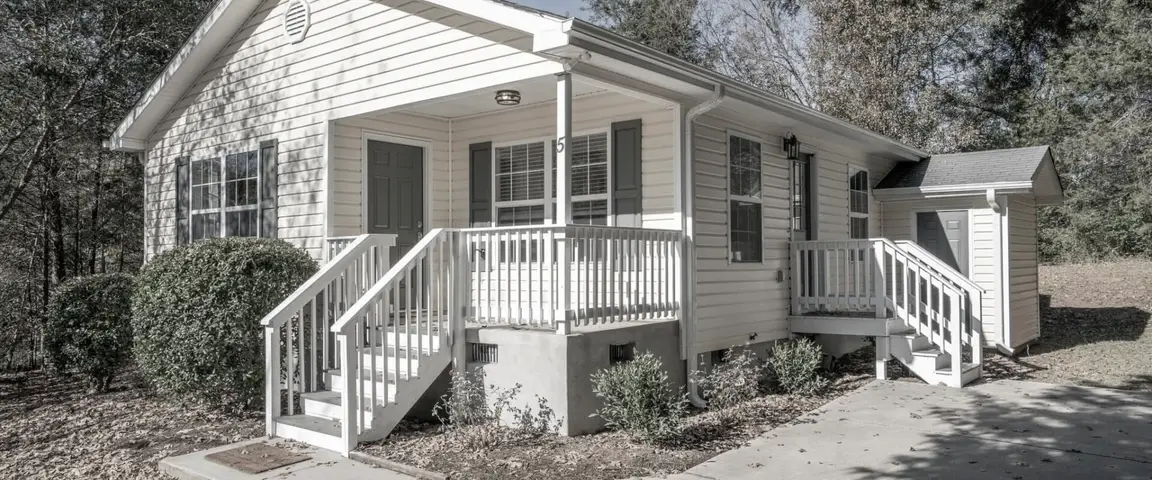

Selling a rental house in Greer, South Carolina, isn’t always straightforward when tenants are still living there. You may be ready to stop managing the property, but the lease, tenant’s rights, and buyer’s plans can affect how the sale moves forward.
Yes, you can sell a tenant-occupied house in Greer without requiring the tenant to move out first. However, selling the property does not automatically terminate an existing lease.
Your main options are selling with the tenant in place, negotiating a voluntary move-out agreement, or waiting until the tenancy legally ends.
This guide explains South Carolina’s rental laws, showing requirements, security deposits, and the financial differences between selling occupied and vacant.
If you’re considering a direct sale, GSP Investors LLC evaluates rental properties throughout Upstate South Carolina, including tenant-occupied homes.
Can You Sell a House With Tenants Living in It in Greer, SC?
Yes. South Carolina allows residential rental properties to be sold while occupied. However, the purchaser generally assumes ownership subject to the existing lawful tenancy.
Under South Carolina Code §27-35-50, selling leased real estate establishes the landlord-tenant relationship between the purchaser and the tenant.
That means a buyer cannot simply disregard the existing rental agreement.
Before selling, review the lease expiration date, monthly rent, payment history, security deposit, maintenance responsibilities, and any occupancy-related concerns.
An investor may welcome an established tenant who pays consistently. An owner-occupant buyer may prefer vacant possession.
Understanding those differences helps determine which buyers are realistic prospects for your property.
You can explore the company’s Greer home-selling options while reviewing your existing lease.
What Happens to the Tenant’s Lease When the Property Is Sold?
The answer depends primarily on the type of tenancy.
Fixed-Term Leases
A fixed-term lease generally remains effective for its agreed duration, subject to enforceable provisions and applicable law.
For example, if your Greer rental has seven months remaining on a valid lease, the purchaser ordinarily takes ownership subject to that arrangement.
You can ask the tenant to consider an early termination agreement, but the decision must be voluntary unless another lawful basis for termination exists.
Month-to-Month Tenancies
Under South Carolina Code §27-40-770, either party generally may terminate a month-to-month tenancy by giving at least 30 days’ written notice before the specified termination date.
This is a notice requirement, not a guarantee that possession will be delivered within 30 days.
If the tenant remains after lawful termination, additional legal procedures may be necessary.
Week-to-Week Tenancies
South Carolina generally requires at least seven days’ written termination notice for a week-to-week tenancy.
Before issuing any notice, verify the actual tenancy classification and lease terms. An expired written agreement does not necessarily mean the tenant has no remaining legal rights.
Three Ways to Sell a Tenant-Occupied House in Greer
1. Sell With the Tenant in Place
You sell the house while the tenant continues living there under the applicable lease.
This approach can appeal to rental-property investors who want an established income stream.
Advantages:
- Potentially continued rental income until closing.
- No need to negotiate an early move-out.
- Less risk of paying expenses during an extended vacancy.
Potential disadvantages:
- Fewer owner-occupant buyers.
- Buyers may closely examine lease terms and rent records.
- Showings and inspections require appropriate coordination.
A reliable tenant can make a rental more appealing, but the buyer will still evaluate property condition, expenses, and the remaining lease.
2. Negotiate a Voluntary Move-Out Agreement
Sometimes called cash for keys, this approach involves offering an agreed incentive for the tenant to voluntarily end the tenancy.
The written agreement should address the move-out date, payment conditions, key return, property condition, and security-deposit handling.
The arrangement must comply with applicable law, and the tenant must genuinely agree.
A negotiated vacancy may attract more buyers, but relocation incentives, lost rent, repairs, and holding costs can reduce your proceeds.
3. Wait Until the Tenancy Ends and Sell Vacant
You can wait until the rental agreement lawfully expires or ends, then prepare the house for sale.
Vacant properties are often easier to photograph, inspect, repair, and show. They may attract buyers who intend to occupy the home.
However, once the tenant leaves, rental income stops while insurance, taxes, utilities, and maintenance continue.
Compare those expenses with the potential increase in selling price before waiting.
For additional perspective on rental ownership, read GSP Investors’ landlord guide for Upstate South Carolina.
What If the Buyer Wants to Move Into Your Tenant-Occupied House?
An owner-occupant purchaser may want to move in soon after closing, but that preference does not automatically override an existing valid lease.
For example, a buyer hoping to occupy the property in 45 days may face a problem if the tenant has six months remaining under a fixed-term agreement.
Before accepting an offer, confirm whether the buyer intends to occupy the home and whether the proposed possession date is legally realistic.
If the buyer’s financing has occupancy requirements, they should discuss those requirements with their lender.
Never promise vacant possession unless you have a lawful, reliable arrangement to deliver it. Otherwise, the transaction may encounter delays, disputes, or cancellation.
What Should You Tell Your Tenant Before Listing the Property?
Communicating early can prevent unnecessary conflict.
Explain that you’re considering selling, whether the property will be marketed with the existing tenancy, and how prospective buyers may request access.
You don’t need to promise that the tenant can remain indefinitely or that they must leave immediately.
Instead, provide accurate information about the lease and explain that changes affecting their tenancy will be communicated appropriately.
Ask about reasonable showing times and preferred communication methods.
A short written summary can help both parties understand the arrangements.
South Carolina’s applicable entry-notice rules still apply, regardless of whether the tenant has already been informed about your intention to sell.
Can You Show a Tenant-Occupied House to Potential Buyers?
Yes, but you must follow applicable access requirements.
Under South Carolina Code §27-40-530, tenants may not unreasonably withhold consent for lawful entry to show the property to prospective purchasers.
For ordinary showings, landlords generally must provide at least 24 hours’ notice and enter at reasonable times. The statute provides exceptions for certain circumstances.
To reduce disruption:
- Give clear notice identifying the proposed showing time.
- Coordinate appointments rather than scheduling unnecessary repeated visits.
- Respect tenants’ belongings and privacy.
- Avoid photographing sensitive personal information.
- Keep records of showing arrangements and communications.
Repeated unreasonable entries or harassment can create legal problems.
If a tenant refuses lawful access, consult an attorney about appropriate remedies rather than entering by force.
What If Your Tenant Refuses to Cooperate With the Sale?
Start by identifying the reason for the disagreement.
A tenant may worry about losing their home, object to inconvenient showings, or misunderstand what happens to the lease after closing.
Explain the process and listen to their concerns.
If access remains disputed, follow the lease and South Carolina law. Do not attempt to force entry, change locks, remove belongings, or interrupt essential utilities.
The state’s Residential Landlord and Tenant Act provides remedies for unlawful access, lease violations, and possession disputes.
A difficult tenancy may affect the price or buyer interest, but it does not automatically prevent a sale.
Disclose relevant occupancy concerns accurately so buyers can assess the property.
What Happens to Security Deposits and Prepaid Rent at Closing?
Security deposits require careful accounting when an occupied rental changes ownership.
Under South Carolina Code §27-40-450, a seller in a qualifying good-faith transaction generally remains responsible for a recoverable security deposit unless it is transferred to the purchaser and the tenant receives written notice within a reasonable time after the transaction.
When those conditions are satisfied, the purchaser assumes the applicable deposit obligation.
Before closing, document:
- The security deposit actually held.
- Any prepaid rent.
- Rent collected for periods after the closing date.
- Agreed rent prorations.
- The party responsible for future deposit obligations.
- Updated ownership and payment instructions.
A security deposit is not ordinary profit from selling the house.
The closing statement and records should accurately reflect its transfer or other lawful treatment.
If the tenancy ends, §27-40-410 addresses deposit returns and itemized deductions, including applicable timing requirements.
Buyers should receive complete accounting information rather than relying on informal verbal assurances.
Can You Sell a Greer Rental Property With Unpaid Rent?
Yes. A tenant’s unpaid rent does not automatically prohibit a property sale.
However, delinquent payments, disputed charges, and unresolved possession issues may reduce buyer interest.
Prepare an accurate rent ledger and copies of relevant notices.
South Carolina Code §27-40-710 addresses nonpayment and certain lease violations. Its procedures differ from ordinary periodic-tenancy termination.
Before pursuing eviction or promising the buyer vacant possession, seek advice about the applicable notice, court process, and contract obligations.
Some investors consider properties with difficult tenancies, but they will likely account for the additional uncertainty and potential expenses.
For owners who no longer want to manage the rental, GSP Investors’ guide to selling an unwanted house discusses a related selling decision.
Greer Example: How Selling With or Without Tenants Affects Your Proceeds
Consider a hypothetical single-family rental in Greer with an existing tenant.
The owner is deciding whether to sell occupied, negotiate voluntary vacancy, or continue renting until the lease ends.
The following figures illustrate how these choices can affect net proceeds.
| Estimated Item | Sell Occupied | Negotiate Vacancy & List | Wait & Sell Vacant |
|---|---|---|---|
| Selling price | $228,000 | $255,000 | $269,000 |
| Selling and closing costs | $5,000 | $14,000 | $15,000 |
| Vacancy, repairs, or transition costs | $0 | $7,000 | $8,000 |
| Additional holding expenses | $2,000 | $4,000 | $10,000 |
| Estimated proceeds before debt payoff | $221,000 | $230,000 | $236,000 |
Disclaimer: These figures are hypothetical illustrations, not actual Greer market averages or guaranteed offers. Rental income, security-deposit accounting, mortgage balances, liens, and applicable taxes are excluded. Actual costs and proceeds depend on the property and transaction.
What Do These Numbers Mean?
Selling occupied produces $221,000 in estimated proceeds, without requiring the owner to secure vacant possession.
Negotiating vacancy increases the illustrated proceeds to $230,000, provided the tenant agrees and the home sells at the expected price.
Waiting and selling vacant produces $236,000, the highest estimate in this example.
However, the difference between selling occupied and waiting is $15,000, before accounting for rental income and other excluded factors.
An owner who dislikes managing the rental may consider an earlier sale worthwhile. Another owner may prefer to retain rental income and pursue a potentially higher price later.
The best choice depends on actual offers, the lease, costs, and your financial priorities.
GSP Investors’ direct-sale comparison page explains additional differences between selling through an agent and working directly with a buyer.
Does Having a Tenant Increase or Decrease Your House’s Value?
Occupancy can affect value in either direction.
An investor may appreciate a dependable tenant, documented rental income, and a lease with sustainable terms.
However, a below-market rent, unresolved maintenance problems, or repeated missed payments may make the investment less attractive.
An owner-occupant buyer may prefer a vacant property, particularly if the lease continues beyond their desired move-in date.
Compare the property’s expected rental investment value with the estimated proceeds from selling vacant.
Avoid assuming that an occupied house is always worth less. The lease and financial performance matter.
For another perspective, see the company’s guide to selling a house directly in Upstate.
Greer Property Records: Greenville County or Spartanburg County?
Greer extends into both Greenville and Spartanburg counties.
This distinction matters when verifying parcel records, taxes, ownership information, and other public property details.
For a property located in Greenville County, consult the Greenville County property tax search.
For the Spartanburg County side, use the Spartanburg County property records.
The City of Greer identifies its location across both counties.
Before listing, verify which county administers your property records and obtain current tax information.
A Greer mailing address alone does not establish which county’s records apply.
County assessments can help identify the parcel but should not replace an independent market valuation or title examination.
Do You Have to Disclose an Existing Lease When Selling in South Carolina?
For transactions covered by South Carolina’s Residential Property Condition Disclosure Act, the required disclosure statement addresses existing rental agreements and certain known outstanding tenant utility charges.
Under South Carolina Code §27-50-40, applicable sellers also provide information about specified property conditions.
Some transactions are exempt, including those where the parties properly agree in writing not to complete the disclosure statement.
Even when an exemption applies, sellers should not make false or misleading representations about tenancy or property conditions.
An as-is sale does not automatically eliminate every legal responsibility.
For many residential properties built before 1978, federal lead-based paint disclosure requirements may also apply. Review the EPA’s disclosure guidance.
Checklist for Selling a Tenant-Occupied House in Greer, SC
- Review the lease. Confirm its term, expiration date, renewal provisions, and relevant obligations.
- Verify rent records. Document payments, outstanding balances, deposits, and prepaid amounts.
- Communicate with the tenant. Explain the proposed sale and coordinate lawful access.
- Gather property records. Confirm ownership, the correct county, taxes, and relevant title issues.
- Document maintenance. Identify repairs, tenant requests, and unresolved problems.
- Compare selling strategies. Evaluate occupied, negotiated-vacancy, and later vacant-sale options.
- Calculate net proceeds. Include selling expenses, possible incentives, repairs, and holding costs.
- Review purchase contracts. Check contingencies, tenant-related provisions, closing expenses, and possession terms.
- Prepare transfer records. Address deposits, rent prorations, management arrangements, and tenant notifications.
- Choose a realistic closing plan. Ensure the proposed transaction respects the existing tenancy.
For more information about transaction documentation, read the company’s escrow-process guide.
How GSP Investors LLC Evaluates Tenant-Occupied Houses in Greer
GSP Investors LLC works with property owners throughout Upstate South Carolina who want to explore selling directly rather than listing traditionally.
The company considers tenant-occupied rentals, although each property and tenancy must be evaluated individually.
Step 1: Share Your Property Details
Provide the property address, lease status, rent information, and known maintenance concerns.
Step 2: Review the Property and Offer
GSP Investors evaluates the house and determines whether a direct purchase is feasible. Any proposed offer should account for the existing tenancy and agreed transaction terms.
Step 3: Discuss Closing Arrangements
If you accept an offer, the closing plan must address title, deposits, tenancy obligations, and the purchase agreement.
A direct purchase does not automatically remove the tenant’s rights or guarantee a particular closing date.
Learn more about the GSP Investors team, read homeowner reviews, or explore the home-buying process.
Frequently Asked Questions About Selling a Tenant-Occupied House in Greer, SC
1. Can I sell my Greer house with tenants still living in it?
Yes. You can sell a tenant-occupied house in Greer without requiring the tenants to move out. The buyer generally assumes ownership subject to the existing lawful tenancy.
2. Does selling a rental property automatically end the tenant’s lease?
No. A valid lease generally continues after the sale, and the new owner becomes the landlord, subject to applicable lease terms and law.
3. Can a buyer move into the house immediately after purchasing it?
Only if the property can lawfully be delivered vacant. A buyer’s desire to move in does not automatically override an existing valid lease.
4. How much notice is required before showing a rental house in South Carolina?
Landlords generally must provide at least 24 hours’ notice and enter at reasonable times for ordinary showings, subject to statutory exceptions.
5. Can I terminate a month-to-month tenancy before selling in South Carolina?
Generally, yes. South Carolina typically requires at least 30 days’ written notice. Proper notice does not guarantee the tenant will leave by that date.
6. Can I offer my tenant money to move out before selling?
Yes. You can negotiate a voluntary cash-for-keys agreement. Document the payment terms, move-out date, possession arrangements, and security-deposit handling.
7. What happens to the tenant’s security deposit when the house sells?
The deposit must be properly accounted for. The seller can transfer deposit responsibility to the buyer by satisfying South Carolina’s statutory transfer and written-notification requirements.
8. Can I sell a rental house if the tenant is behind on rent?
Yes. Unpaid rent does not automatically prevent a sale, but it may affect buyer offers. Any termination or eviction must follow applicable law.
9. Is it better to sell a tenant-occupied house or wait until it is vacant?
Compare expected net proceeds, rental income, vacancy costs, lease obligations, and buyer demand. The better option depends on your financial circumstances.
10. Will GSP Investors LLC buy my tenant-occupied house in Greer, SC?
GSP Investors LLC considers tenant-occupied properties in Greer. Purchase feasibility depends on the property, existing tenancy, and agreed transaction terms.
Compare Your Options Before Selling a Tenant-Occupied House in Greer
Selling an occupied rental involves more than choosing an asking price. Your lease, tenant communication, access arrangements, security deposit, and financial obligations all affect the transaction.
Selling occupied may preserve rental income and avoid vacancy expenses. Negotiating a move-out could expand your buyer pool. Waiting until the tenancy ends may offer another opportunity, but it also creates additional costs and uncertainty.
Compare written offers and realistic net proceeds before deciding.
If you’re considering a direct sale, request a no-obligation cash offer from GSP Investors LLC or contact the team at (864) 671-1011.
This article provides general information, not legal advice. Consult a qualified South Carolina attorney about lease termination, eviction, possession disputes, or transaction-specific legal questions.