

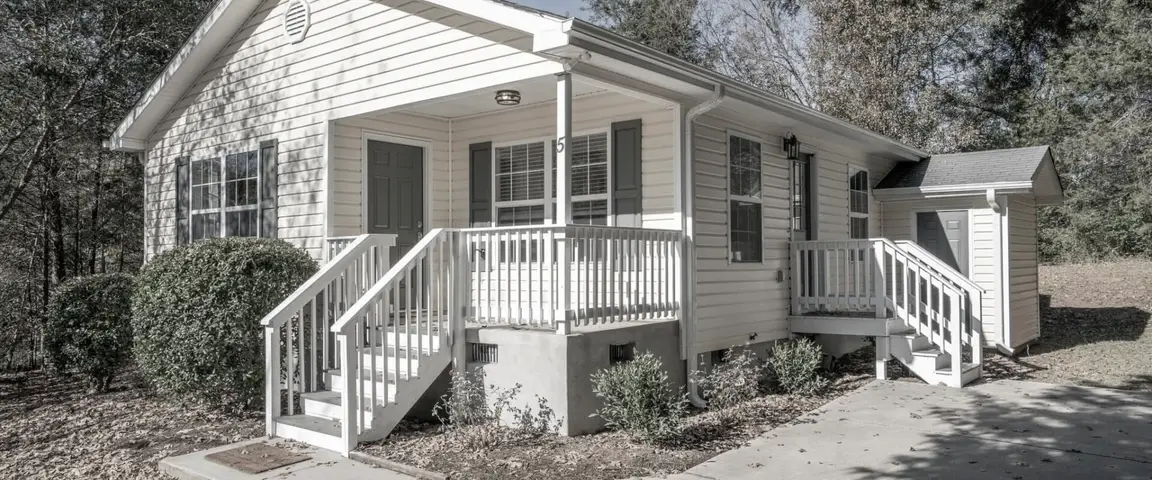
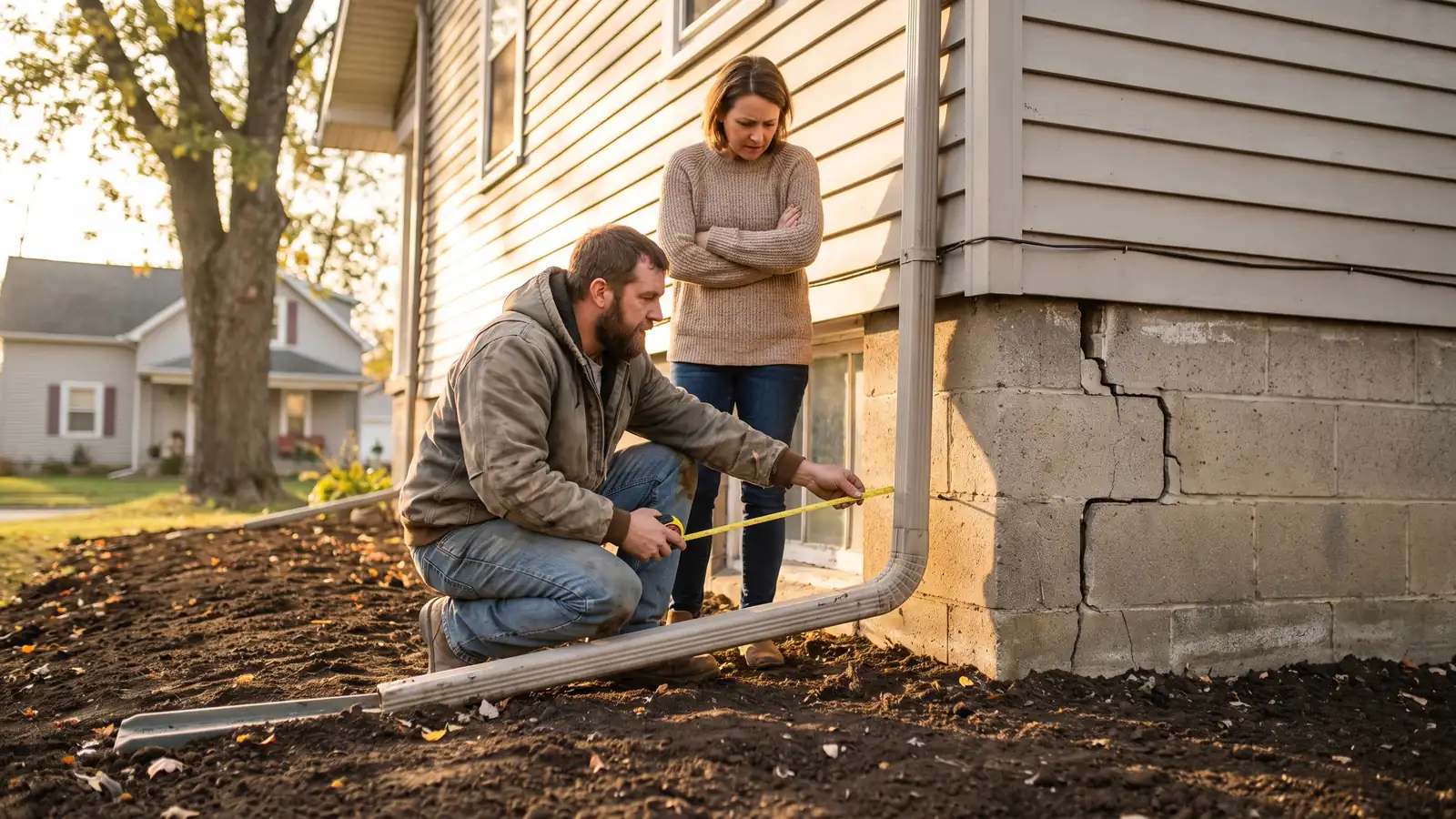
Finding cracks in your foundation, uneven floors, or signs of settlement can make selling your Easley, South Carolina, home more difficult. You may worry that buyers will walk away, a lender will reject the property, or structural repairs will cost more than you can afford.
You can sell a house with foundation problems in Easley, SC, without necessarily completing the repairs first. However, the severity of the damage, buyer financing, disclosure requirements, and purchase agreement will influence your options.
Some homeowners repair the foundation before listing. Others sell as-is through an agent or consider a direct cash offer.
This guide explains how to evaluate foundation problems, understand local requirements, compare repair costs, and determine which selling option makes financial sense.
If you prefer to explore selling without managing structural repairs, GSP Investors LLC considers houses needing significant work throughout Upstate South Carolina.
Can You Sell a House With Foundation Damage in Easley, SC?
Yes. Foundation damage does not automatically prevent a residential property from being sold in South Carolina.
However, the type and extent of damage matter.
A stable hairline crack may present a different concern from a foundation wall that has shifted or a crawlspace with deteriorating structural supports.
Buyers may consider the home’s condition, likely repair expenses, financing requirements, and future risks before making an offer.
Before deciding how to sell, answer four questions:
- What is causing the problem? Visible symptoms do not always identify the underlying defect.
- How extensive is the damage? A professional evaluation may clarify whether structural repairs are necessary.
- What would repairs cost? Written estimates can help establish a reasonable budget.
- Which sale produces better net proceeds? Compare realistic prices after repairs, closing costs, and holding expenses.
If you’re exploring a direct sale, review the Easley home-buying options offered by GSP Investors.
Common Signs of Foundation Problems in Easley Homes
Foundation concerns can appear in several ways, but no single symptom proves that a house has serious structural damage.
Cracks in foundation walls or slabs. Cracks may develop from shrinkage, settlement, soil movement, or structural stress. Their location, pattern, width, and progression help determine whether further evaluation is appropriate.
Uneven or sloping floors. Noticeable slopes, sagging areas, or movement underfoot may involve crawlspace supports, framing, or foundation components.
Doors and windows that stick. Movement can affect how openings align, although humidity and ordinary wear may cause similar symptoms.
Recurring drywall cracks. Cracks around windows, doors, or wall intersections may warrant investigation when they repeatedly return or worsen.
Crawlspace deterioration. Moisture, wood decay, damaged piers, and inadequate supports can affect a home’s structural performance.
A foundation problem should not be diagnosed from photographs alone.
If movement appears significant, ongoing, or unexplained, consider an evaluation by a qualified structural professional before committing to repairs.
Why Foundation Problems Develop in Easley-Area Properties
Foundation movement can result from several interacting conditions.
Soil settlement, inadequate site preparation, changing moisture levels, drainage problems, and deteriorated structural materials may all contribute.
For homes with crawlspaces, excess moisture can damage wood components and create conditions requiring further investigation.
Poorly directed downspouts or ground sloping toward the building may also allow water to accumulate near the foundation.
The U.S. Department of Energy’s crawlspace water-management guidance describes practical drainage considerations, including grading, gutters, and managing surface water.
The City of Easley’s stormwater information provides additional local context.
However, not every property experiences the same soil conditions or drainage problems.
Identify the actual cause before assuming that installing supports, sealing cracks, or changing drainage will resolve the issue.
Should You Hire a Structural Engineer Before Selling?
A structural engineer may be helpful when damage appears substantial, recurring, or difficult to explain.
An independent evaluation can distinguish visible symptoms from underlying structural concerns and identify whether further investigation or corrective work is appropriate.
What Can an Engineer Help Determine?
An evaluation may address:
- Whether observed conditions suggest structural movement.
- Whether additional investigation or monitoring is necessary.
- Which components may require repair or stabilization.
- Whether drainage or moisture conditions contribute to the problem.
- What documentation contractors may need before preparing estimates.
Ask whether a written report will be provided and whether it describes limitations or recommended follow-up work.
You can review professional licensing through the South Carolina Board of Registration for Professional Engineers and Surveyors.
An engineering report may improve a buyer’s understanding of the house, but it does not guarantee mortgage approval or eliminate the buyer’s right to obtain another inspection.
How Much Does Foundation Repair Cost in Easley?
Foundation repair costs depend on the underlying problem, accessibility, structural design, required materials, and extent of work.
A limited repair may involve a very different scope from correcting foundation settlement or replacing deteriorated crawlspace supports.
Possible projects include foundation stabilization, structural reinforcement, engineered underpinning, drainage improvements, and repairs to damaged framing.
Before spending money, request a written scope of work rather than relying on a verbal estimate.
Ask contractors to identify labor, materials, permit requirements, exclusions, warranties, and potential additional expenses.
For complex work, obtain estimates based on the same engineering recommendations so you’re comparing equivalent solutions.
A lower estimate is not necessarily better if it excludes drainage correction, engineering, or related repairs.
Before approving renovations, compare the proposed expenses with your home’s estimated as-is and repaired values.
Our Greenville guide to selling a house needing major repairs explains the broader financial comparison.
Do Foundation Repairs Require Permits in Easley, SC?
Permit requirements depend on the repair scope and whether the property falls within Easley city limits or another jurisdiction.
The City of Easley Building Department states that remodeling or additions changing a home’s structural condition require permits.
Major foundation repairs and structural alterations may therefore require approval and inspections.
Properties with an Easley mailing address are not necessarily within city limits.
For homes in unincorporated Pickens County, consult the Pickens County Building Codes Department.
Before work begins, confirm who will obtain permits, whether engineering plans are necessary, which inspections apply, and what records will be provided afterward.
If previous structural work lacks documentation, disclose what you know and ask the appropriate authority whether further review is necessary.
Selling as-is does not automatically eliminate outstanding permit requirements or government enforcement obligations.
Do You Have to Disclose Foundation Problems in South Carolina?
South Carolina’s Residential Property Condition Disclosure Act requires applicable residential sellers to provide the prescribed property disclosure statement.
The law specifically addresses foundations, floors, basements, structural components, and modifications to those components.
Certain transactions are exempt, including qualifying transfers and situations where both parties agree in writing not to complete the statement.
An exemption should not be assumed without reviewing the transaction.
Does Selling As-Is Remove Foundation Disclosure Requirements?
An as-is agreement does not automatically eliminate applicable disclosure responsibilities or permit misleading statements.
If you know about foundation movement, previous structural repairs, recurring water intrusion, or engineering findings, provide accurate information consistent with the law.
The statute also addresses correcting material inaccuracies when new information becomes available.
The South Carolina Real Estate Commission’s disclosure resources provide the applicable form and additional guidance.
A seller should distinguish confirmed defects from suspected problems. For example, an engineer’s documented findings are different from an unverified assumption about why a crack appeared.
Can Foundation Problems Prevent a Buyer From Getting a Mortgage?
Yes. Significant structural concerns can complicate financing, although not every foundation crack prevents mortgage approval.
Lenders and loan programs have requirements concerning property condition, safety, and structural soundness.
A lender may request additional evaluation or repairs before approving a loan.
The HUD Single Family Housing Policy Handbook provides guidance for FHA-insured mortgage transactions.
Some buyers may qualify for rehabilitation financing.
For example, the FHA 203(k) program can support qualifying rehabilitation projects. Its Standard option may accommodate eligible major structural work, including certain foundation repairs.
However, eligibility depends on the property, lender, borrower, project scope, and program requirements.
What If the Buyer’s Lender Requires Foundation Repairs?
Ask the buyer to identify the actual requirement.
Depending on the agreement, you may negotiate repairs, consider a different buyer, or explore an alternative financing arrangement.
An engineering report can help clarify the condition but does not guarantee that financing will be approved.
What Happens If a Buyer’s Inspection Reveals Foundation Damage?
A buyer may discover a structural concern after the purchase agreement is signed, even when no major defect was previously suspected.
The next steps depend on the contract and inspection findings.
The buyer may request an engineering evaluation, negotiate repairs, propose a price adjustment, or exercise an applicable termination right.
Before agreeing to expensive work, obtain a reliable estimate and determine whether the issue affects financing or represents a negotiable buyer preference.
If the transaction falls through, newly discovered material information may affect future disclosures.
Do not conceal the findings or assume the next buyer won’t identify the same problem.
Three Ways to Sell a House With Foundation Problems in Easley
1. Repair the Foundation and List With an Agent
Repairing may make the property more attractive to buyers who prefer documented structural work.
It can also address problems that might otherwise complicate financing.
However, you must pay for evaluations, contractors, permits, and any additional repairs.
Construction delays or unexpected damage may affect the final financial outcome.
This route makes sense when the expected increase in net proceeds justifies the investment.
2. List the House As-Is
An as-is listing allows buyers to evaluate the property without requiring the seller to complete every repair.
Potential purchasers may include experienced renovators, investors, or buyers using suitable financing.
You may avoid a major construction project, but inspections, price negotiations, and financing contingencies can still affect the transaction.
Learn more through the company’s guide to selling without a Realtor in Upstate.
3. Sell Directly to a Cash Home Buyer
A direct buyer may evaluate the foundation problems and determine whether purchasing the property in its current condition is feasible.
The offer generally accounts for repair expenses, holding costs, resale costs, and investment risk.
This option may reduce the seller’s involvement in structural repairs, but the proposed price may be lower than the potential repaired sale price.
Review written offers, contingencies, and closing responsibilities before deciding.
GSP Investors provides a broader comparison of traditional and direct home selling.
Easley Example: Repairing the Foundation vs. Selling As-Is
Consider a hypothetical Easley house with noticeable settlement and deteriorated crawlspace supports.
After a structural evaluation, the owner compares repairing the foundation, listing the property as-is, and requesting a direct cash offer.
| Estimated item | Repair & list | List as-is | Direct cash sale |
|---|---|---|---|
| Selling price | $305,000 | $252,000 | $222,000 |
| Foundation repairs | $42,000 | $0 | $0 |
| Selling and closing expenses | $19,000 | $14,000 | $0* |
| Holding expenses | $6,500 | $3,500 | $1,000 |
| Structural evaluation | $1,500 | $1,500 | $1,500 |
| Estimated proceeds before debt payoff | $236,000 | $233,000 | $219,500 |
Hypothetical example only. These figures are not Easley market averages, actual contractor quotes, or guaranteed GSP Investors offers. The direct-sale scenario assumes the buyer agrees to pay ordinary seller closing expenses. Mortgage balances, liens, taxes, and other required payoffs are excluded.
What Does the Comparison Show?
Repairing produces the highest estimated proceeds, but the advantage over an as-is listing is only $3,000.
That difference may not justify spending $42,000 upfront and managing the renovation, especially if additional problems could be discovered.
The direct sale produces $13,500 less than the as-is listing under these assumptions, while avoiding seller-funded structural work.
A homeowner with sufficient savings, reliable repair estimates, and a flexible timeline may choose to renovate.
Someone unable to finance the work or manage contractors may prefer selling in the property’s existing condition.
The best option depends on actual offers, repair costs, carrying expenses, and your financial priorities.
Selling a House With Previous Foundation Repairs
Previous structural repairs do not automatically prevent a sale.
Documentation can help buyers understand the original problem, the completed work, and whether ongoing concerns remain.
Gather engineering reports, contractor invoices, permits, inspection records, and applicable warranties.
Ask whether the repair warranty is transferable and whether it covers the specific structural components involved.
A prior foundation stabilization project may not have resolved related drainage or moisture problems.
If new symptoms appear after the repairs, don’t describe the issue as permanently resolved without supporting evidence.
Buyers may still request an independent evaluation.
Selling When You Can’t Afford Foundation Repairs
Some homeowners have sufficient property equity but cannot afford an expensive structural project before selling.
In that situation, compare an agent’s as-is valuation with written offers from qualified buyers.
You don’t necessarily need to borrow money for renovations before exploring a sale.
However, a lower as-is price and buyer financing limitations should be considered.
For more information about direct transactions, see the guide to selling your house to an investor.
Selling an Inherited, Vacant, or Co-Owned House With Foundation Problems
Foundation problems can become more complicated when a house has multiple owners or is part of an estate.
Confirm who has legal authority to sell and whether all necessary parties agree on the transaction.
For multiple-owner situations, review the Upstate property ownership guide.
A vacant house may also need ongoing protection against moisture and further deterioration.
Maintain appropriate insurance, document known conditions, and address immediate safety concerns while deciding how to proceed.
Checklist for Selling an Easley House With Foundation Problems
- Document the damage. Photograph cracks, floor movement, moisture, and other visible symptoms.
- Consider a structural evaluation. Use a qualified professional when problems are substantial or uncertain.
- Gather previous records. Collect engineering reports, repair invoices, permits, and warranties.
- Check permit requirements. Confirm whether City of Easley or Pickens County rules apply.
- Obtain repair estimates. Compare written scopes, exclusions, and likely additional expenses.
- Review disclosure requirements. Provide accurate information consistent with South Carolina law.
- Estimate property values. Compare expected repaired and as-is selling prices.
- Calculate net proceeds. Include repairs, selling expenses, holding costs, and outstanding debt.
- Compare purchase contracts. Review financing, inspection rights, contingencies, and closing responsibilities.
- Choose a realistic plan. Consider the financial outcome, repair uncertainty, and your ability to manage the work.
For additional information about closing documentation, see GSP Investors’ escrow-process guide.
How GSP Investors LLC Evaluates Easley Houses With Foundation Problems
GSP Investors LLC considers direct purchases of houses throughout Easley and surrounding Upstate South Carolina communities.
If your house has foundation cracks, settlement concerns, or substantial structural repairs, you can request an evaluation without committing to renovations first.
Step 1: Share Your Property Details
Provide the address, known foundation problems, previous repair information, and any available engineering documents.
Step 2: Review the Property and Offer
GSP Investors evaluates the property’s condition and determines whether a direct purchase is feasible.
Compare any written offer with the expected net proceeds from listing as-is or completing repairs.
Step 3: Discuss Closing Requirements
If you accept an offer, the closing process must address title, contract conditions, outstanding obligations, and applicable legal requirements.
A direct sale does not automatically eliminate disclosures or guarantee a particular closing date.
You can learn about the GSP Investors team, read homeowner reviews, or explore the company’s home-buying process.
Frequently Asked Questions About Selling a House With Foundation Problems in Easley, SC
1. Can I sell my Easley house with foundation problems?
Yes. You can sell a house with foundation problems in Easley without necessarily completing repairs. The damage may affect financing, buyer interest, price, and contract terms.
2. Do I have to fix foundation damage before selling my house?
Not always. Some buyers purchase homes with foundation damage as-is. However, certain lenders or purchase agreements may require repairs before closing.
3. Should I hire a structural engineer before selling?
An independent structural evaluation may help when cracks, settlement, or movement are significant or unexplained. The report can clarify conditions and recommended repairs.
4. Can foundation problems prevent a buyer from getting a mortgage?
Yes. Serious structural issues may affect financing. Some qualified buyers can explore rehabilitation loans, including FHA Standard 203(k), subject to lender and program requirements.
5. What happens if a buyer’s inspection reveals foundation damage?
Depending on the purchase agreement, the buyer may request further evaluation, negotiate repairs or a price adjustment, or exercise an applicable termination right.
6. Must I disclose foundation problems when selling as-is in South Carolina?
Applicable South Carolina disclosure requirements address foundation and structural conditions. Selling as-is does not automatically remove disclosure duties or permit misrepresentation.
7. Do foundation repairs require permits in Easley, SC?
Structural foundation repairs may require permits and inspections. Confirm the requirements with the City of Easley or the appropriate county building department.
8. Can I sell a house that has already had foundation repairs?
Yes. Previous foundation repairs do not automatically prevent a sale. Keep available engineering reports, permits, contractor invoices, and warranties for buyer review.
9. Is it better to repair foundation problems or sell the house as-is?
Compare estimated net proceeds after repairs, selling expenses, and holding costs. A higher selling price after repairs does not always produce a better financial outcome.
10. Will GSP Investors LLC consider buying my Easley house with foundation problems?
Yes. GSP Investors LLC considers Easley properties with foundation concerns. Purchase feasibility depends on the property’s condition and agreed transaction terms.
Compare Your Options Before Selling an Easley House With Foundation Problems
Foundation problems don’t automatically mean you must complete expensive repairs before selling.
A professional evaluation, realistic repair estimates, and accurate property information can help you determine which selling approach fits your circumstances.
Repairing may increase the sale price. Listing as-is may avoid substantial upfront expenses. A direct purchase offers another option when you prefer not to manage structural work.
Compare actual costs, written offers, and expected net proceeds before deciding.
If you’d like to explore an as-is offer, request a no-obligation cash offer from GSP Investors LLC or contact the team at (864) 671-1011.
This article provides general educational information, not engineering, legal, or financial advice. Consult qualified professionals about structural conditions, permitting, disclosures, and transaction-specific requirements.