


Last updated: November 19, 2026
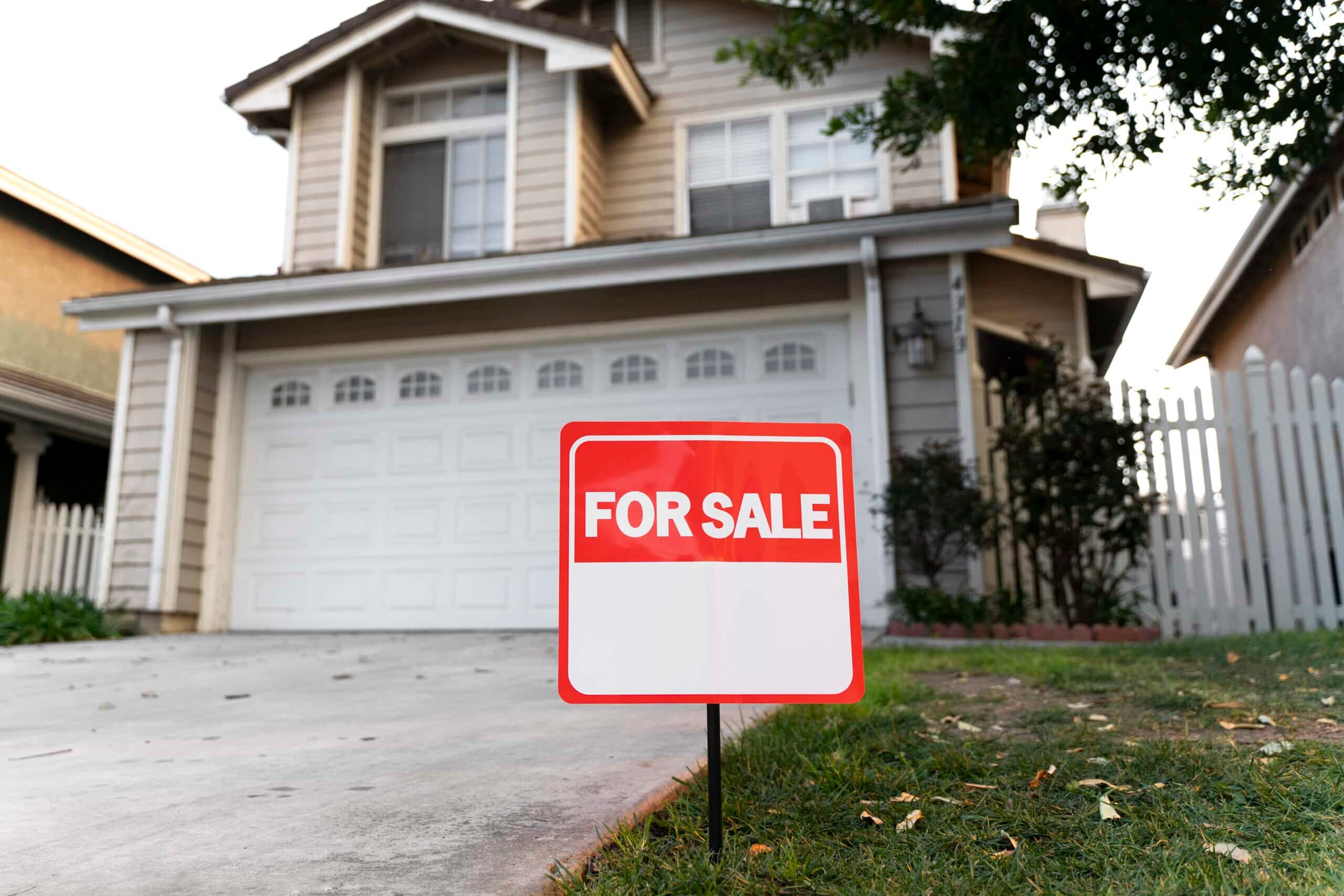
Deciding what happens to the house during a divorce can be more complicated than deciding whether either spouse wants to keep it. A Greenville couple may agree that selling is sensible but disagree about the asking price, mortgage payments, showings, or how much each person receives at closing.
You can often sell a house during a divorce in Greenville, South Carolina, before the divorce is final. But who can authorize the sale, whether a court order applies, and how the proceeds must be handled depend on the deed, the marital estate, and the parties’ agreements. Don’t sign a contract or promise that each spouse will receive half the equity without checking those details.
This guide explains the three main choices—sell, arrange a buyout, or delay selling—along with South Carolina property-division rules, mortgage responsibility, taxes, and practical steps for a less complicated transaction. GSP Investors LLC also considers direct purchases of Greenville houses when both the legal authority and sale terms are clear.
Can You Sell Your Greenville House Before the Divorce Is Final?
Potentially, yes. An unfinished divorce does not automatically prohibit a home sale. If the owners have the necessary authority, agree on the transaction, and comply with existing court orders, a closing may be possible before the final decree.
However, an agreement about selling is not the same as an agreement about dividing the proceeds. Your attorney may recommend that money be held in an attorney trust account or escrow pending a written settlement or court direction rather than distributed at closing.
South Carolina also recognizes orders for separate maintenance and support. As the South Carolina Bar’s family-law guide explains, such orders can address who stays in the marital home and who pays expenses during separation. Review any existing temporary order before listing.
Is the House Marital Property if Only One Spouse Is on the Deed?
Possibly. Deed ownership and classification as marital property are different questions. South Carolina Code §20-3-630 generally defines marital property to include property acquired during marriage and owned when marital litigation begins, regardless of whose name appears on the title, subject to statutory exceptions.
A home acquired before marriage, or received by gift or inheritance, may be nonmarital. But the facts can become complicated if marital funds improved the property, the title changed, or the parties treated it as shared property. Don’t assume the deed alone determines the divorce outcome.
For a Greenville property, you can find recorded deeds and mortgages through the Greenville County Register of Deeds. Its records are a starting point, not a substitute for an attorney’s title and marital-property analysis. Our guide to selling a house with multiple owners covers co-owner coordination outside divorce as well.
How Does South Carolina Divide a House During Divorce?
South Carolina uses equitable apportionment, not an automatic 50/50 split. Under §20-3-620, the family court considers statutory factors, including contributions to the property, each spouse’s financial circumstances, marital debts, the tax effects, and children’s needs.
The court may award a home to one party, allocate its value within the larger marital estate, or order a sale. An agreement between spouses may also resolve those issues, subject to appropriate court review.
For local court information, see the Greenville County Family Court. Its staff cannot decide what percentage of equity belongs to either spouse. A family-law attorney should explain how the facts and any orders affect the house.
Who Must Agree to the Listing and Sign the Closing Documents?
Start with the current deed, mortgage, and court orders. If both spouses own the property, both ordinarily need to participate in conveying their interests unless a legally effective authorization or court process provides otherwise. If only one spouse holds title, that doesn’t necessarily eliminate the other’s marital-property claim.
A closing attorney may also require documentation concerning divorce proceedings, judgments, liens, or a settlement before insuring title. Do not try to work around a spouse’s objection by signing for them or hiding a pending case.
When both agree, put the listing price, acceptable offer terms, repair spending, showing arrangements, and closing instructions in writing. If one spouse cannot attend closing, ask the closing attorney whether an appropriate power of attorney can be used. Our Greenville cash home-buying page explains the direct-purchase option, but legal authorization still comes first.
What If Your Spouse Refuses to Sell the House?
A buyer or agent cannot settle a disputed divorce merely by making an offer. If one spouse refuses to list, sign, or accept reasonable terms, speak with your divorce attorney about negotiation, mediation, temporary relief, or the court’s authority to divide marital property.
Under South Carolina law, the family court may order a public or private sale as part of equitable apportionment in appropriate circumstances. That does not mean a judge will automatically order a sale because one spouse requests it.
Avoid making mortgage decisions out of frustration. A missed payment can damage both borrowers’ credit while the ownership dispute remains unresolved. If safety or intimidation is a concern, coordinate through counsel rather than relying on direct negotiations.
Should One Spouse Keep the Home and Buy Out the Other?
A buyout may work when one spouse wants to stay and can afford the debt and other obligations. The parties need a defensible property valuation, an agreed treatment of equity and marital debts, and a method for transferring the ownership interest.
For example, a home valued at $360,000 with a $210,000 mortgage has approximately $150,000 in gross equity before other debts and costs. That does not automatically mean a $75,000 buyout. The final amount depends on the overall settlement, valuation, and any agreed adjustments.
The spouse keeping the home must also consider whether the lender will release the departing borrower. A deed transfer or divorce decree alone does not remove someone from a joint mortgage. Explore refinancing or available assumption and release procedures with the loan servicer before committing to a buyout.
Three Options for Your House During Divorce in Greenville
1. Sell on the Open Market
An agent can market the property to a broad buyer pool. This may offer strong pricing potential if the house is in good condition and both spouses can cooperate on showings, negotiations, inspections, and repairs. Selling expenses and the cost of maintaining two households can reduce the eventual proceeds.
2. Keep the House Temporarily or Arrange a Buyout
One spouse may remain for an agreed period, perhaps because of children’s schedules, while the parties establish responsibility for payments and a later sale or buyout date. This can preserve stability but leaves financial and title questions unresolved unless the agreement is detailed and enforceable.
3. Consider a Direct As-Is Sale
A direct purchaser may buy without asking the sellers to complete cosmetic renovations or manage a conventional marketing process. The offer will reflect the property’s condition, resale costs, and risk, so compare written net proceeds rather than treating speed as more important than value. See GSP Investors’ comparison of selling options.
What Happens to a Joint Mortgage After Separation?
Both borrowers remain responsible to the lender unless the loan is paid off or the lender formally releases a borrower. A divorce settlement may assign payments to one person, but it does not automatically change the mortgage contract. The Consumer Financial Protection Bureau explicitly warns that removing a name from title or presenting a divorce decree does not erase joint debt responsibility.
Request current payoff statements for the mortgage and any home-equity line of credit. Determine whether payments are current and whether either account has a prepayment charge or a recorded lien requiring satisfaction.
If one spouse wants to retain the house, ask the servicer about the available assumption, modification, release, or refinance path; options vary. The CFPB has documented mortgage-servicing difficulties after divorce. Avoid promising a lender release that hasn’t been approved.
Who Pays the Mortgage, Taxes, and Repairs While the House Is for Sale?
This is one of the easiest issues to overlook. Decide who pays the mortgage, property taxes, insurance, HOA dues, utilities, lawn care, and urgent repairs until closing. Also specify whether those payments will be reimbursed or considered in the property settlement.
An empty house may need different insurance arrangements; an occupied house needs clear access rules for inspectors and buyers. A repair estimate should identify who authorizes the work and where the funds come from.
If one spouse falls behind on payments, contact the servicer promptly rather than waiting for the divorce case to finish. Our Greenville mortgage-arrears guide covers related homeowner decisions.
How Do You Calculate Home Equity Before Dividing Proceeds?
Start with a realistic sale price—not just an online estimate—and obtain payoff figures for secured loans. Deduct any negotiated seller-paid transaction costs, agreed repairs, carrying costs, and liens payable at closing.
The remaining amount is net sale proceeds, which is not necessarily the amount each spouse receives. Distribution may be subject to a divorce agreement, escrow instructions, court order, attorney fees, other marital assets, or disputed reimbursements.
If a house has tax liens or judgments, have the closing attorney determine what must be satisfied to deliver insurable title. Greenville County’s recorded-document search can help identify public records, but a professional title search is still important.
What Happens to the Sale Proceeds If Spouses Disagree?
A Greenville couple may agree to sell the house while disputing how the remaining equity should be divided. In that situation, the proceeds may need to be held in an attorney trust account or another suitable escrow arrangement under agreed written instructions or a court order.
Before closing, ask the divorce and closing attorneys to confirm who receives the funds, whether any amount must remain held, and what authorizes its eventual release. Do not assume the closing attorney can divide disputed proceeds equally without proper instructions.
Greenville Example: Compare Net Proceeds, Not Just Sale Prices
Imagine a couple selling a hypothetical Greenville home with a $184,000 mortgage payoff and a $16,000 home-equity line. They compare preparing the property, listing as-is, and accepting a direct cash offer.
| Estimated item | Prepare & list | List as-is | Direct cash sale |
|---|---|---|---|
| Selling price | $370,000 | $342,000 | $320,000 |
| Mortgage payoff | $184,000 | $184,000 | $184,000 |
| HELOC payoff | $16,000 | $16,000 | $16,000 |
| Preparation and repairs | $20,000 | $0 | $0 |
| Seller-paid selling and closing costs | $23,000 | $21,000 | $0* |
| Holding expenses | $6,000 | $4,000 | $1,000 |
| Net proceeds before division | $121,000 | $117,000 | $119,000 |
Illustrative figures only—not Greenville market averages, guaranteed offers, or legal advice. The direct-sale example assumes the buyer covers ordinary seller closing costs. Taxes, other liens, legal fees, and possible tax liabilities are excluded.
Here the prepared listing produces $4,000 more than the as-is listing and $2,000 more than the direct sale, before any unexpected costs. If the spouses hypothetically agreed to equal distribution, the respective shares would be $60,500, $58,500, and $59,500. South Carolina law does not guarantee a 50/50 division. The actual agreement or court order controls.
Is It Better to Sell Before, During, or After the Divorce?
Before a divorce filing, the parties may find it easier to agree on the sale, but should protect their positions with appropriate legal guidance and written instructions for proceeds. Don’t assume an informal understanding will settle later disputes.
During divorce proceedings, selling can remove a large joint expense, provided court orders, ownership rights, and distribution instructions are addressed. If the proceeds are disputed, a lawyer may arrange for them to be held pending resolution.
After the final decree, a sale might follow a scheduled deadline or an order awarding the home. Review the exact decree before relying on an anticipated timeline. Delaying indefinitely can increase carrying costs and create fresh disputes about maintenance.
South Carolina’s no-fault divorce ground generally requires spouses to live separate and apart without cohabitation for one year. That divorce timetable is distinct from whether a properly authorized property sale can proceed. See the South Carolina Bar’s separation explanation.
Do You Need to Fix the House Before Selling During Divorce?
Not always. If the house needs repairs, compare written contractor estimates with the expected price difference between a repaired and an as-is sale. Agree in advance who pays and whether the expense affects distribution.
A buyer may negotiate after an inspection or seek lender-required repairs. South Carolina’s Residential Property Condition Disclosure Act applies to covered transactions, with statutory exceptions; selling as-is does not excuse misrepresentation. Review the official disclosure form.
For extensive work, see our Greenville major-repairs guide. The least expensive project is not necessarily the one that generates the most money after closing.
Could Selling During Divorce Affect Capital Gains Taxes?
Yes. The federal home-sale exclusion may allow eligible taxpayers to exclude up to $250,000 of qualifying gain, or up to $500,000 for certain married couples filing jointly. Those are limits on gain, not on the sale price or cash received. Eligibility depends on ownership, residence, filing status, and other rules.
The IRS provides special rules for separated or divorced homeowners, including certain situations where a spouse remains in the home under a divorce or separation instrument. Read IRS Publication 523 and Publication 504 before deciding whether the sale date or ownership transfer changes the tax outcome.
Transfers between spouses incident to divorce can receive different federal tax treatment from a third-party sale. Consult a tax professional about basis, prior rental use, filing status, and allocating any taxable gain.
What If There Are Liens, Late Payments, or Too Little Equity?
A mortgage isn’t the only claim that can affect closing. A HELOC, recorded judgment, tax lien, or other encumbrance may require payoff, release, or resolution. Your attorney should examine the title commitment and determine which obligations can be paid from proceeds.
If estimated sale proceeds won’t cover secured debt and transaction costs, do not promise that both spouses will receive equity. Ask your lender and attorney what options exist. A direct offer does not erase a shortfall or remove creditor rights. See our foreclosure-process guide for South Carolina if missed payments are putting the house at risk.
A Practical Checklist for Selling a Greenville House During Divorce
- Review court orders and ask your divorce attorney whether the sale may proceed.
- Confirm ownership using the recorded deed and title information.
- Get payoff statements for the mortgage, HELOC, and other known liens.
- Agree on the plan: list, buyout, temporary occupancy, or direct sale.
- Set written rules for price, repairs, access, showings, and negotiations.
- Calculate net proceeds with realistic selling and holding costs.
- Address disclosures and document known property conditions.
- Arrange closing instructions for signatures, escrow, and distribution.
- Consult a tax professional before finalizing the sale or transfer date.
- Confirm payment responsibilities through closing and the loan’s satisfaction.
How GSP Investors LLC Evaluates Greenville Divorce-Related Sales
GSP Investors LLC considers buying Greenville homes directly when the parties are authorized to sell and agree to acceptable terms. That may be useful if neither spouse wants to manage repairs, multiple showings, or a conventional listing.
Share the property address, known condition, mortgage situation, and any timing or court-order constraints. The company evaluates whether a direct purchase is feasible and can present a no-obligation offer for comparison. The transaction still requires proper signatures, title clearance, and legally appropriate instructions for proceeds.
Learn about how GSP Investors buys houses, explore homeowner reviews, or review Greenville home-selling options.
Frequently Asked Questions About Selling a House During Divorce in Greenville, SC
1. Can we sell our Greenville house before the divorce is final?
Often, yes, if the sale is properly authorized and consistent with any court orders. Ask your attorney how proceeds should be held or distributed.
2. Does South Carolina require a 50/50 split of home equity?
No. South Carolina uses equitable apportionment. An agreement or family-court decision determines the division based on applicable factors.
3. Can I sell if only my name is on the deed?
Possibly, but sole title doesn’t automatically eliminate a spouse’s marital-property interest. Have an attorney check ownership, pending litigation, and required signatures.
4. What if my spouse refuses to sign a sale agreement?
A buyer cannot resolve that dispute. Your divorce attorney can explain negotiation and available court procedures.
5. Can one spouse keep the house and buy out the other?
Yes, if legally and financially workable. The parties must resolve valuation, equity, title transfer, and mortgage responsibility.
6. Does a divorce decree remove my name from the mortgage?
No. A joint lender obligation generally remains until payoff or lender-approved release. Ask the servicer about available options.
7. Who pays the mortgage while our Greenville home is listed?
Follow the temporary order or written agreement. Address mortgage payments, insurance, taxes, utilities, maintenance, and reimbursements explicitly.
8. Can we sell the marital home as-is?
Potentially. Buyers may accept existing repairs, but disclosure requirements, title issues, court orders, and financing conditions still apply.
9. Will we owe capital gains tax when selling during divorce?
It depends on your gain, ownership and residence history, filing status, and IRS divorce-related rules. Seek individual tax advice.
10. Will GSP Investors LLC consider a divorce-related property sale?
Yes. GSP Investors LLC considers Greenville houses when the parties have authority to sell and the transaction terms can be agreed.
Compare Your Options Before Deciding What Happens to the House
A Greenville divorce doesn’t automatically require a quick sale, a buyout, or waiting for a final decree. The appropriate path depends on who owns the property, court orders, mortgage liability, each spouse’s housing needs, and the likely net proceeds.
Get legal advice on authority and distribution first. Then compare realistic written selling options. If a direct purchase might help, request a no-obligation offer or contact GSP Investors LLC at (864) 671-1011.
This guide is general educational information, not legal, tax, financial, or mortgage advice. A qualified South Carolina family-law attorney and closing attorney should review your specific situation.