

Your Spartanburg house is ready to sell—except for the roof. Maybe a leak has stained the bedroom ceiling, the shingles are deteriorating, or a buyer’s inspector recommends replacement. Then a roofer hands you an estimate for work you hadn’t planned to finance.
You can sell a house with a bad roof in Spartanburg, SC, without necessarily replacing it first. The decision depends on its actual condition, your disclosure obligations, the buyer’s financing and insurance options, and what you’ll receive after selling expenses.
Compare repairing or replacing the roof, listing as-is, or selling directly; each has different costs and risks.
This guide covers Spartanburg permits, insurance claims, buyer coverage problems, lender requirements, and a realistic hypothetical proceeds comparison. GSP Investors LLC also considers houses needing substantial repairs throughout Upstate South Carolina.
How Roof Condition Affects Selling a House in Spartanburg
Yes. There is no general South Carolina rule requiring every homeowner to replace an aging roof before transferring the property. A willing buyer can purchase it in its current condition, subject to the agreement and applicable law.
But being able to sell isn’t identical to qualifying for every mortgage or insurance policy. A buyer may accept an older roof yet discover that a lender or insurer requires additional evaluation or repairs. Active leaks, damaged decking, and widespread deterioration generally raise more concern than ordinary aging.
Ask a roofing professional what is wrong, what can be repaired, and whether replacement is genuinely necessary. Then compare the likely sale price with the amount you’d spend on work, permits, and additional months of ownership. You can also review GSP Investors’ Spartanburg home-buying options before making a decision.
What Roof Problems Concern Buyers Most?
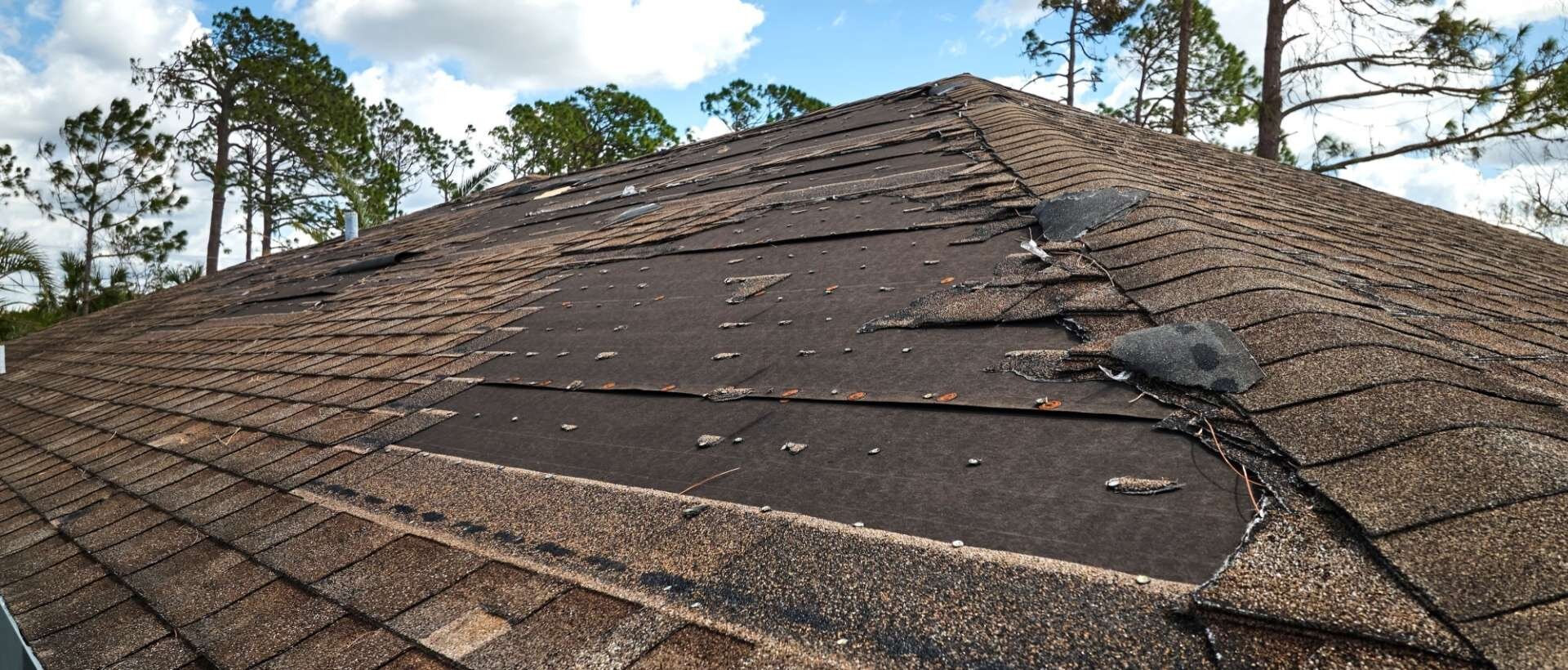
Missing or damaged shingles: Individual shingles may be replaceable, but widespread deterioration can suggest a larger project.
Active leaks and ceiling stains: Water staining needs investigation. The source may be roofing, flashing, ventilation-related condensation, or another system. A stain alone doesn’t prove that a new roof is required.
Deteriorated flashing: Roof penetrations, chimneys, valleys, and wall intersections can leak when flashing fails.
Sagging or weakened decking: Visible deflection or suspected structural damage calls for qualified evaluation, not cosmetic patching.
Recurring repairs: Multiple unsuccessful leak repairs may indicate an underlying problem that hasn’t been addressed.
Poor attic conditions: Wet insulation, deteriorated wood, or inadequate ventilation may affect the scope of corrective work.
Request a roofer’s written findings when an inspection identifies a major concern.
Does an Old Roof Automatically Need Replacement?
No. Roof performance depends on material, installation quality, ventilation, maintenance, weather exposure, and damage history. A newer roof can leak, while an older one may still be serviceable.
There isn’t a universal South Carolina age at which a roof must be replaced to sell a house. However, insurers can assess roof condition and age when deciding coverage. The South Carolina Department of Insurance advises owners to review whether their roof has replacement-cost coverage, actual-cash-value coverage, or restrictions related to its condition.
If you’re uncertain when the roof was installed, check invoices, prior owner records, permits, and available insurance paperwork. Describe an estimated installation year as an estimate, not a verified fact.
Should You Repair the Roof or Replace It?
A limited repair may be appropriate when the damaged area is isolated and the remaining system is sound. Replacement may make more sense when deterioration is extensive, multiple areas leak, or underlying materials need significant work.
Obtain a written estimate explaining the proposed scope. Ask whether it includes tear-off, flashing, ventilation, disposal, permits, and an allowance for concealed decking damage. Find out what the contractor would do if more damage appears after removing the old roof.
Do not assume the most expensive solution will deliver the highest net proceeds. A documented repair may address a buyer’s concern without a complete reroof. For broader renovation decisions, see our Greenville major-repairs selling guide.
Can You Sell a House With an Active Roof Leak?
Yes, but an active leak can worsen while you wait for an offer. Water may damage insulation, drywall, electrical components, or framing, increasing both repair expenses and buyer concern.
Arrange appropriate temporary protection and ask a professional to identify the cause. Document affected areas before cleanup or repair, particularly when a potentially covered event caused the damage. Avoid unsafe attic or roof access.
If the home is vacant, confirm that its insurance remains appropriate and that somebody checks it after significant storms. Our Anderson vacant-house guide addresses the costs of leaving property unoccupied.
An as-is buyer may accept the leak, but accurately describe what you know. An as-is agreement is not permission to conceal existing water intrusion.
Will Homeowners Insurance Pay for a Roof Replacement?
Possibly. Coverage depends on why the damage happened and the specific policy—not merely the estimate a roofer provides.
Sudden damage from a covered wind or hail event may qualify, subject to deductibles, limitations, and exclusions. Gradual deterioration, ordinary wear, and neglected maintenance are generally treated differently. Don’t characterize an aging roof as storm-damaged without supporting evidence.
The South Carolina Department of Insurance’s post-disaster guidance recommends documenting damage and keeping records of necessary temporary repairs. Before filing, review any claim deadlines and speak with your insurer if coverage is unclear.
Replacement Cost Versus Actual Cash Value
Replacement-cost coverage and actual-cash-value coverage can produce very different payments. A qualifying replacement-cost claim may involve an initial payment followed by recoverable depreciation after documented work, depending on policy conditions. Actual cash value generally accounts for depreciation.
The state’s Post-Disaster Claims Guide explains these concepts. A deductible, coverage limit, roof-specific settlement condition, or exclusion may reduce payment.
For example, a $20,000 replacement quote does not establish that the insurer owes $20,000. Get the actual coverage determination before including expected proceeds in your selling calculation.
Can You Sell While a Roof Insurance Claim Is Open?
Potentially, but coordinate the claim with the sale rather than assuming proceeds automatically pass to the buyer.
Confirm what the insurer has approved, what has already been paid, whether depreciation may be recoverable, and whether a mortgage servicer must endorse or release funds. The South Carolina Department of Insurance’s claim-payout explanation describes why lenders may be involved.
Your contract should clearly address who will complete repairs, whether any existing funds affect the price, and how unresolved payments are handled. Ask the insurer and closing attorney before promising benefits or assigning claim rights.
Avoid double-counting an insurance payment as both a reduction in repair expenses and extra cash in the final sale proceeds.
What If the Buyer’s Insurance Company Won’t Cover the Roof?
This is different from your own claim. The buyer may struggle to obtain coverage because an insurer considers the roof too deteriorated or risky.
A mortgage lender generally requires suitable property insurance. That means an insurance underwriting problem can delay or prevent a financed closing even when both parties agree on price.
Ask whether the buyer’s insurer has issued a specific condition, requested a roofer’s report, or required repairs before coverage can begin. A professional assessment may help clarify the condition, but it cannot guarantee approval. The buyer can also discuss legitimate coverage alternatives with a licensed insurance agent.
Roof age alone does not dictate every insurer’s decision. Requirements depend on the carrier, policy, location, and roof’s observed condition. Don’t promise that a seller credit will resolve an insurability problem without confirmation.
Do You Need a Permit to Replace a Roof in Spartanburg?
First confirm whether the property lies inside Spartanburg city limits. A Spartanburg mailing address does not necessarily mean the city issues its permits.
Within the city: The City of Spartanburg’s residential updates permit application explicitly includes re-roofing. Its residential building guidance explains permit administration and when further review may be necessary.
Outside city limits: Consult Spartanburg County Residential Construction and Permitting, or the applicable municipality, to confirm requirements for your specific property.
Before authorizing work, ask who will obtain the permit, whether damaged decking or structural framing changes the scope, what inspections apply, and which records you’ll receive. Minor patching and complete replacement may not follow identical procedures.
Don’t advertise roofing work as fully approved unless the appropriate documentation supports the claim.
Must You Disclose a Damaged Roof in South Carolina?
South Carolina’s Residential Property Condition Disclosure Act generally requires a seller disclosure statement for covered residential sales. Section 27-50-40 specifically includes the roof and other structural components.
The state’s Residential Property Condition Disclosure Statement requests the approximate installation year and information about known leaks, repairs, or modifications during ownership.
Certain transactions qualify for statutory exemptions, but don’t assume yours does. The form’s “No Representation” choice also should not be treated as a way to hide a known problem.
Does Selling As-Is Remove Your Disclosure Duties?
No. As-is terms can determine repair responsibilities without automatically eliminating applicable disclosure duties or permitting misrepresentation.
If you know of recurring leaks, prior storm damage, repairs, or insurance findings, describe them accurately. Under Section 27-50-60, materially inaccurate disclosures may need correction when new information comes to light.
If you discover a new leak after the original statement was signed, review the update requirement instead of handing another buyer an unchanged document. Consult a South Carolina attorney for unusual or disputed circumstances.
Can a Bad Roof Prevent Mortgage Approval?
Yes. A lender may require repairs or further evaluation when roof defects affect the property’s acceptable condition. An older roof, however, does not automatically make every mortgage impossible.
For FHA-insured loans, HUD’s Single Family Housing Policy Handbook 4000.1 addresses roof covering, protection against moisture, and remaining physical life. Appraisers must report specified deficiencies, and the lender determines the next steps.
If the lender requires replacement before funding, simply lowering the price or providing a seller credit may not satisfy that condition. Ask for the written lender requirement, then weigh the repair cost against another buyer or a different permitted financing solution.
Some eligible purchasers can explore FHA 203(k) rehabilitation financing, subject to lender, borrower, and project requirements. This is not a guaranteed workaround.
What If an Inspection Finds Roof Damage After You’re Under Contract?
A buyer’s inspection may lead to a roofer’s evaluation, proposed repairs, a price adjustment, or termination under an applicable contractual right. South Carolina purchase agreements can have negotiated due-diligence deadlines and notice procedures.
Ask whether the finding is cosmetic, an actual leak, or a lender condition. Don’t authorize a full replacement based only on a vague request. Obtain an estimate, check the deadline, and record any agreement in a properly executed amendment.
For the contract side of this problem, read our Simpsonville failed-inspection guide.
Three Ways to Sell a House With Roof Problems in Spartanburg
1. Replace or Repair, Then List
A documented repair or replacement may help attract financed buyers and address objections. But you must fund the work, manage contractors, and allow for permits or hidden damage. Choose this route when the likely increase in proceeds outweighs the full cost and delay.
2. List the House As-Is
A realistic as-is price may attract buyers who can evaluate roof problems and negotiate accordingly. Inspections, financing conditions, and disclosures still apply. See our Upstate guide to selling without a Realtor when comparing marketing approaches.
3. Request a Direct Cash Offer
A direct purchaser may consider the roof in its current condition and plan repairs after acquisition. The offer generally reflects rehabilitation expense, transaction costs, and risk. Compare its actual terms with other paths; GSP Investors’ selling-options comparison explains the differences.
Spartanburg Example: Should You Replace the Roof or Sell As-Is?
Imagine a hypothetical home with recurring leaks and a contractor’s replacement recommendation. The owner compares a repaired listing, an as-is listing, and a direct cash offer.
| Estimated item | Replace & list | List as-is | Direct cash sale |
|---|---|---|---|
| Selling price | $295,000 | $268,000 | $239,000 |
| Roof replacement | $21,000 | $0 | $0 |
| Selling and closing costs | $18,000 | $16,000 | $0* |
| Holding expenses | $6,000 | $3,500 | $1,000 |
| Roof evaluation and records | $1,000 | $1,000 | $1,000 |
| Estimated proceeds before debt payoff | $249,000 | $247,500 | $237,000 |
These figures are hypothetical, not Spartanburg market averages, real contractor quotes, or guaranteed offers. The direct-sale column assumes the buyer covers ordinary seller closing expenses. Mortgage debt, liens, taxes, and any insurance proceeds are excluded.
Replacing the roof nets only $1,500 more than listing as-is in this illustration, despite a $21,000 upfront project. The direct offer nets $10,500 less than the as-is listing but avoids seller-managed roofing work.
Actual negotiations, unexpected decking repairs, insurance payments, or months of additional holding costs could change the outcome. Compare the money left at closing, not just the headline price.
What If You Cannot Afford a Roof Replacement?
You may have equity in the property without enough cash for contractors. Before borrowing to replace the roof, obtain an as-is valuation and review serious written offers. Consider financing costs and the possibility that removing old roofing reveals more expensive damage.
An as-is listing or direct sale may be feasible even when you cannot fund repairs. The trade-off is that a buyer usually accounts for those expenses in the price. For context, see the Spartanburg back-property-taxes guide if unpaid taxes also affect your proceeds.
Selling a House With Previous Roof Repairs or Replacement
Collect invoices, installation dates, permit records, inspections, and warranties. Ask the issuing company whether a warranty transfers to a buyer; don’t promise transferability without confirmation.
Explain known recurring leaks even when earlier repair records exist. A documented repair history may support buyer confidence, but it doesn’t prove that the current roof is free of defects.
Checklist Before Selling a Spartanburg Home With Roof Damage
- Document visible leaks, damaged areas, and any related interior conditions.
- Investigate significant damage with a qualified roofer; request written findings.
- Compare targeted repairs with full replacement when both are plausible.
- Review insurance coverage, deductibles, claim status, and lender involvement.
- Confirm jurisdiction and any city or county re-roof permitting requirements.
- Collect records such as invoices, permits, inspections, and warranties.
- Update disclosures to reflect known defects and new material information.
- Estimate net proceeds for a repaired listing, as-is listing, and direct sale.
- Evaluate the buyer including financing, insurance, contingencies, and closing costs.
- Protect the property from further water damage while the transaction proceeds.
How GSP Investors LLC Evaluates Houses With Bad Roofs
GSP Investors LLC considers roof-damaged homes in Spartanburg and nearby Upstate communities. Owners can request a property evaluation without first committing to replacement.
Share the address, known leaks or damage, previous repairs, and available inspection or claim information. The company reviews the condition and determines whether a direct purchase is feasible. If an offer is made, compare its written terms with your other net-proceeds options.
Any sale still depends on the contract, title, outstanding obligations, and closing requirements. You can review how the company buys houses, GSP Investors LLC, and homeowner reviews.
Frequently Asked Questions About Selling a House With a Bad Roof in Spartanburg, SC
1. Can I sell my Spartanburg house without replacing its roof?
Yes. A willing buyer may purchase it as-is. The roof’s condition can affect the price, financing, and transaction terms.
2. Does an old roof automatically need replacing before a sale?
No. Age alone doesn’t establish that replacement is required. The actual condition, buyer, insurer, and lender matter.
3. Will cash buyers consider a house with roof leaks?
Some do. An offer typically reflects the extent of water damage, necessary repairs, and the home’s overall condition.
4. Will homeowners insurance replace an aging roof?
Not simply because it’s old. Coverage depends on a covered cause of loss, policy terms, exclusions, and deductible.
5. Can I sell while a roof insurance claim is open?
Potentially. Ask your insurer and closing attorney how approved proceeds, repair duties, and lender interests will be handled.
6. Does re-roofing require a permit in Spartanburg, SC?
The city includes re-roofing on its residential permit application. Confirm the requirements of the authority governing your property.
7. Must I disclose known roof leaks in South Carolina?
Applicable disclosure law addresses known roof conditions. An as-is contract doesn’t automatically remove those duties.
8. Can the buyer’s insurer refuse coverage because of the roof?
Yes. Insurers may impose conditions or decline coverage based on the property’s risk; that can affect mortgage financing.
9. Is replacing the roof better than selling as-is?
Compare actual repair quotes, selling and holding expenses, and written offers to estimate your net proceeds.
10. Will GSP Investors LLC consider buying my house with a bad roof?
Yes. GSP Investors LLC considers Spartanburg homes with roof problems. Any purchase depends on the property’s condition and agreed terms.
Compare Your Options Before Replacing Your Spartanburg Roof
A damaged roof can complicate a sale, but it doesn’t automatically force you into a costly replacement. Determine what work is truly necessary, whether insurance covers any damage, and what buyers and their lenders will accept.
A repaired listing may attract more buyers; an as-is listing can avoid upfront construction; a direct purchase may reduce the repairs you need to manage. Choose using realistic net proceeds and written terms, not assumptions about roof age or a promised sale price.
For a no-obligation discussion, request a cash offer from GSP Investors LLC or contact the team at (864) 671-1011.
This guide offers general information, not legal, insurance, roofing, or financial advice. Consult qualified professionals about your property’s condition, policy, permits, disclosures, and contracts.