

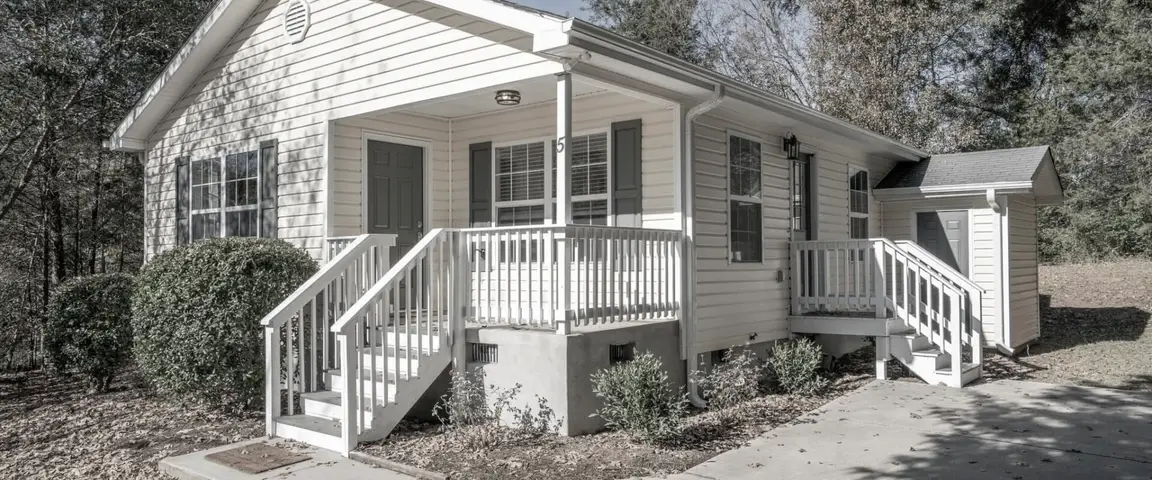
A vacant house in Anderson, South Carolina, can cost money every month without producing rental income or providing a place to live. The expenses are easy to underestimate: insurance, taxes, utilities, yard maintenance, and the occasional repair that nobody notices until it gets worse.
Maybe you inherited the house, moved for work, or left before deciding what to do with it. You can sell a vacant house in Anderson without necessarily renovating or moving back in. The important decision is whether repairing and listing, listing as-is, or accepting a direct offer leaves you in the strongest position.
This guide explains the actual responsibilities of owning an empty home, Anderson-specific maintenance and tax considerations, and how to compare estimated net proceeds. GSP Investors LLC also considers vacant properties throughout Upstate South Carolina for direct purchase.
Can You Sell a Vacant House As-Is in Anderson, SC?
Yes. An owner can generally offer a vacant Anderson house in its existing condition. An as-is listing or purchase doesn’t automatically remove required disclosures, resolve liens, or prevent buyers from inspecting the property under their contracts.
Condition shapes the likely buyers. A clean house with working systems may appeal to people who intend to move in. A property with a deteriorated roof, damaged flooring, or years of neglected upkeep may attract purchasers prepared to renovate.
Start by establishing what you owe, what the house may sell for now, and how much it costs to keep. The Anderson home-buying page describes GSP Investors’ direct-sale option; this guide helps you evaluate it against alternatives.
What Does It Cost to Keep a House Vacant?
Expenses don’t stop when the moving truck leaves. The exact amount depends on the property, whether a mortgage remains, and which services must stay active.
Taxes and insurance. Annual property taxes continue. Insurance can become more complicated when the property is vacant, and appropriate coverage may cost more than you expect.
Utilities and upkeep. Electricity, climate control, lawn care, pest prevention, and periodic cleaning may still be necessary. Cutting off every service can make inspections difficult or increase risks to the home.
Repairs and security. An unnoticed roof leak, broken window, drainage problem, or unauthorized entry can turn a manageable issue into a large expense.
Debt and other charges. Mortgage payments, HOA assessments where applicable, and maintenance or monitoring fees can continue through closing.
For illustration, an empty property costing $1,050 a month to carry adds $6,300 over six months, before unexpected repairs. Rather than guessing, review your last three months of bills and calculate a realistic monthly total.
Vacant Home Insurance: Check Coverage Before You List
Call your insurance agent as soon as the property becomes empty. Insurers may distinguish between a temporarily unoccupied home and a vacant home, and definitions or restrictions vary by policy. In some circumstances, vacancy affects coverage for water damage, theft, vandalism, or other losses.
The National Association of Insurance Commissioners’ moving and insurance guidance warns that vacant or unoccupied properties can create coverage gaps. Ask the insurer what your particular contract covers, whether a vacancy endorsement or different policy is necessary, and whether periodic inspections are required.
Also confirm whether utilities should remain on, how to document property checks, and what happens if closing is postponed. Do not cancel insurance merely because you have accepted an offer. Coordinate the termination of coverage with the actual transfer of ownership.
Protecting an Empty Anderson House While It Is for Sale
You don’t need to remodel every room to prevent further deterioration. Focus on measures that protect the property and make buyer access possible.
Arrange regular checks by someone dependable, particularly after storms. Photograph any new damage and investigate its cause. Secure exterior doors and accessible windows; remove accumulated mail and keep entrances visible. Maintain landscaping and clear gutters or drainage outlets when safe to do so.
For plumbing and climate control, ask qualified professionals what makes sense for the season, building systems, and insurance requirements. An empty home that loses power or water may be difficult to inspect, while leaving a damaged system running can create additional risk.
Keep receipts and a brief inspection log. They help you communicate what has been maintained and identify problems that need to be disclosed.
City of Anderson Maintenance Rules for Vacant Properties
Vacancy does not exempt a property from local ordinances. The City of Anderson’s nuisance-abatement guidance identifies excessive weeds, debris, deteriorating structures, and abandoned vehicles among the conditions it addresses. The city’s Building and Codes Department also administers applicable property-maintenance and building requirements.
First confirm whether the house is actually inside city limits. An Anderson mailing address alone doesn’t establish municipal jurisdiction; another locality or Anderson County rules may apply outside the city.
If you receive a notice, identify the violation, required corrective action, and deadline. Contact the issuing office if anything is unclear. Listing the property or accepting an offer does not automatically suspend enforcement. If repairs involve structural or regulated systems, check permit requirements before hiring someone.
An as-is buyer may be willing to take on certain work after closing, but the purchase agreement and applicable enforcement requirements must support that arrangement. Never promise that an outstanding order can simply be ignored.
Three Ways to Sell a Vacant House in Anderson
1. Repair the Property and List With an Agent
Repairs may broaden buyer interest and increase the selling price. This makes sense when written contractor estimates are reliable and projected extra proceeds comfortably exceed the improvement budget, selling expenses, and months of additional ownership.
The downside is spending money before you know the final sale price. Contractor delays or hidden damage can also change the outcome. Seek a local agent’s estimate of both current-condition and repaired value before committing.
2. List the House As-Is
An agent can market the property to people willing to accept its existing condition. You may avoid substantial renovations while still attracting multiple prospective purchasers. Some cleaning, access coordination, and minor safety work might remain necessary.
Expect inspections and possible negotiations; “as-is” doesn’t mean every buyer waives contingencies. Financing can also be affected by serious defects. The Upstate guide to selling without a Realtor offers additional context for comparing representation and direct selling.
3. Request a Direct Cash Offer
A direct buyer evaluates the house with its current repairs and carrying costs in mind. Selling without a conventional listing may reduce the need for repeated showings or owner-managed renovations, especially if you live elsewhere.
However, an investor’s offer typically accounts for repair costs, resale expenses, financing or holding costs, and risk. Review the written price, contingencies, proof of funds, who pays closing expenses, and realistic timing. The GSP Investors selling comparison outlines differences between direct and traditional transactions.
No single method is best for every vacant house. Compare what actually remains after costs, not just the advertised purchase price.
Should You Renovate Before Selling?
Prioritize safety and active damage over cosmetic upgrades. A roof leak or unsafe electrical system can affect inspections and financing; new cabinet hardware may do little for the eventual proceeds.
Ask contractors to specify the work needed, whether permits apply, and what the estimate excludes. Then ask an agent whether those repairs are likely to produce a meaningful difference in the sale price. Where expensive structural or moisture problems exist, professional evaluations are more useful than assumptions.
For a detailed repairs-versus-sale framework, see the Greenville major-repairs selling guide. The focus for a vacant Anderson home is the added risk of time passing without an occupant to notice problems.
Anderson Example: Comparing Net Proceeds From Three Selling Options
Imagine a hypothetical three-bedroom house that has been vacant since its owner relocated. It needs flooring repairs, general cleanup, and some updates, but there are no confirmed major structural defects. These are illustrations, not Anderson market prices or GSP Investors offers.
| Estimated item | Repair and list | List as-is | Direct cash sale |
|---|---|---|---|
| Selling price | $275,000 | $246,000 | $217,000 |
| Seller-funded repairs | $24,000 | $0 | $0 |
| Selling and closing expenses | $18,000 | $14,000 | $0* |
| Holding expenses | $7,500 | $5,000 | $1,500 |
| Cleanup and preparation | $2,000 | $1,500 | $0 |
| Estimated proceeds before debt payoff | $223,500 | $225,500 | $215,500 |
Hypothetical example only. These figures are not local averages, actual contractor estimates, or guaranteed offers. The direct-sale illustration assumes the buyer agrees to cover ordinary seller closing expenses. Mortgage debt, taxes, liens, and personal tax consequences are excluded. Actual results depend on the property and contract.
Here, the as-is listing yields $2,000 more than renovating, because the higher renovated price doesn’t offset its extra costs. The direct sale yields $10,000 less than the as-is listing under these assumptions. A seller who can oversee the house nearby may prefer to test the market; an owner living several states away may value reducing ongoing exposure.
The comparison changes if the home needs additional repairs, takes longer to sell, or receives a different offer. Get actual written numbers before choosing.
How Long Can You Afford to Carry the Property?
Estimate what happens to your cash flow if a sale takes three more months, then six. Include insurance, taxes, utilities, minimum security measures, mortgage payments, and foreseeable maintenance. Allow for a repair contingency instead of treating an empty house as cost-free.
Don’t choose a buyer solely because of a fast-closing promise. Verify their ability to perform and ask what title, inspection, or contractual conditions remain. An accepted offer is not money in your account, and the ownership expenses generally continue until closing.
How to Sell a Vacant Anderson House After Moving Away
Selling from another city or state adds practical work: supervising contractors, letting inspectors inside, maintaining the yard, and responding to notices sent to the property’s address.
Choose a reliable local contact and define what that person is authorized to do. Update your mailing address with insurers, the mortgage servicer, and relevant county offices. Ask your closing attorney whether remote document signing is possible and which documents require particular identification or execution steps.
You don’t have to make repeated trips merely to gather basic information, but don’t assume every transaction can close entirely online. The company’s relocation guide addresses related choices when owners move before selling.
Selling an Inherited Vacant House in Anderson, SC
An inherited home can remain empty while heirs sort belongings, arrange maintenance, or complete estate administration. Before listing, determine who holds title and who has authority to sign the deed or purchase agreement.
Several heirs may need to coordinate decisions. A personal representative may need legal authority established through the estate process. Review the GSP Investors guide to selling with multiple owners for the practical challenges.
Keep insurance and essential maintenance in place while ownership questions are resolved. A closing attorney can identify required documents and possible estate, title, or payoff issues before you promise a closing date.
Check Anderson County Records and Your Property-Tax Classification
Use the Anderson County Assessor to verify the parcel and assessment classification, the County Treasurer for tax information, and the Register of Deeds for recorded ownership documents. A tax assessment is not necessarily today’s market value, and searching records does not replace a title examination.
If you permanently moved out, check the home’s legal-residence classification. South Carolina generally applies a 4% assessment ratio to qualifying primary residences and a 6% ratio to residential property that does not qualify. A changed domicile or property use can affect classification and ownership costs. Qualification also depends on circumstances during the applicable tax year, so moving out doesn’t necessarily cause an immediate midyear change.
Contact the Assessor about your particular tax year and any required updates. The South Carolina Department of Revenue’s property-tax guidance explains legal-residence eligibility. Don’t assume the old 4% rate will continue indefinitely because the house remains in your name.
Checking Wells, Septic Systems, and Drainage Before Selling in Anderson
Some Anderson-area homes use a private well or septic system. After a long vacancy, buyers may ask for maintenance records or professional evaluations, particularly if water has been disconnected and systems can’t be tested.
Collect available permits, pumping records, and past inspection reports. The South Carolina Department of Environmental Services’ septic guidance can help locate information about the system. Avoid claiming it works properly if its condition is unknown.
If the property has a history of drainage issues or sits near a waterway, review the FEMA Flood Map Service Center. Flood maps identify mapped hazards, not every possible runoff or water-intrusion problem. Known conditions should still be described accurately.
Do You Have to Disclose Problems With a Vacant House?
South Carolina’s Residential Property Condition Disclosure Act generally requires sellers in covered residential transactions to provide the prescribed disclosure statement. The form addresses specified matters such as roofs, structural components, water and sewage systems, mechanical systems, and known property conditions.
There are statutory exemptions, including certain estate-related transfers and transactions where both parties agree in writing not to complete the statement. Such arrangements do not authorize deliberate misrepresentation. An as-is contract is not permission to conceal known defects.
If systems haven’t operated during the vacancy, say what you actually know rather than making unsupported assurances. Discuss unusual property or disclosure circumstances with a South Carolina attorney.
Checklist for Selling a Vacant House in Anderson, SC
- Confirm insurance. Tell the insurer the property’s occupancy status and ask about limitations or needed coverage.
- Inspect and secure it. Check doors, windows, drainage, leaks, and immediate hazards; document conditions.
- Maintain the grounds. Arrange grass cutting and debris removal under applicable local rules.
- Check jurisdiction. Verify whether the property is inside Anderson city limits and whether any code notice is outstanding.
- Gather ownership records. Obtain deed information, mortgage payoff, taxes, and known lien details.
- Review tax classification. Ask whether a move or change of use affects the property’s assessment treatment.
- Compare valuations. Request an as-is estimate and, if appropriate, a supported repaired-value estimate.
- Calculate net proceeds. Include repair bids, closing expenses, carrying costs, and payoffs.
- Prepare for due diligence. Keep maintenance records, disclosures, and any system information available.
- Review the contract. Understand financing, inspection rights, deposits, closing expenses, and possession arrangements.
For additional context on payoff and closing steps, read the GSP Investors escrow-process guide.
How GSP Investors LLC Evaluates Vacant Houses in Anderson
GSP Investors LLC considers direct purchases of vacant properties in Anderson and surrounding Upstate communities. You can explore an offer without first commissioning a full renovation.
Share the property details. Provide its address, current condition, how long it has been empty, and any known ownership or maintenance concerns.
Review the offer. The company evaluates the property and determines whether a purchase is feasible. Compare any written offer with an agent’s expected net proceeds from an as-is listing.
Discuss closing requirements. If you proceed, the contract, title review, outstanding payoffs, and other requirements determine how the transaction closes. Cash financing doesn’t erase legal obligations or guarantee a specific closing date.
You can review how GSP Investors buys houses, learn about the company, and read homeowner reviews before deciding.
Frequently Asked Questions About Selling a Vacant House in Anderson, SC
1. Can I sell my vacant house in Anderson without making repairs?
Yes. You can list your Anderson house as-is or sell directly to a buyer willing to purchase it in its current condition. Repair needs may affect the offer.
2. Is it better to renovate a vacant house or sell it as-is?
Compare expected net proceeds after renovation expenses, holding costs, and selling fees. A higher selling price doesn’t always mean more money for the seller.
3. Does homeowners insurance cover a vacant house?
Coverage depends on your policy. Extended vacancy may limit certain protections, so contact your insurer to confirm coverage and whether additional insurance is necessary.
4. Can I sell a house that has been vacant for several years?
Yes. However, buyers may request inspections of the roof, plumbing, electrical systems, foundation, and other components affected by extended vacancy.
5. Do I have to maintain a vacant property in Anderson, SC?
Yes. Applicable property-maintenance requirements still apply. Homes within Anderson city limits may be subject to nuisance-abatement and building-code enforcement.
6. Can I sell an inherited vacant house in South Carolina?
Yes, if the owner or authorized estate representative has legal authority to sell. Probate, title issues, and outstanding debts may affect closing.
7. Can I sell my vacant Anderson house while living out of state?
Yes. You can coordinate inspections, buyer access, and closing remotely. Ask your closing attorney which documents require in-person signing or additional verification.
8. Can I sell a vacant house with code violations or major damage?
Potentially. Some buyers purchase damaged properties as-is, but outstanding violations, disclosure obligations, and applicable closing requirements must still be addressed.
9. Can moving out change my Anderson County property taxes?
Yes. If the property no longer qualifies as your primary legal residence, its assessment classification may change. Confirm the applicable tax year with the Anderson County Assessor.
10. Will GSP Investors LLC buy my vacant house in Anderson, SC?
GSP Investors LLC considers vacant houses in Anderson, including properties needing repairs. Purchase feasibility depends on the property’s condition and agreed transaction terms.
Compare the Costs Before Selling Your Vacant House in Anderson
An empty house continues to require attention long after its owner leaves. Insurance, property taxes, yard maintenance, security, and unseen damage can affect what the seller eventually receives.
Renovation may produce a higher sale price, while an as-is listing can avoid substantial improvement costs. A direct offer is another option for owners who prefer not to manage an empty property through a conventional listing.
Use real holding costs, written offers, and defensible valuations to choose. If you’d like to explore a direct sale, request a no-obligation cash offer from GSP Investors LLC or contact the team at (864) 671-1011.
This guide provides general educational information, not legal, tax, or insurance advice. Seek qualified guidance about your policy, property condition, disclosures, and closing requirements.