

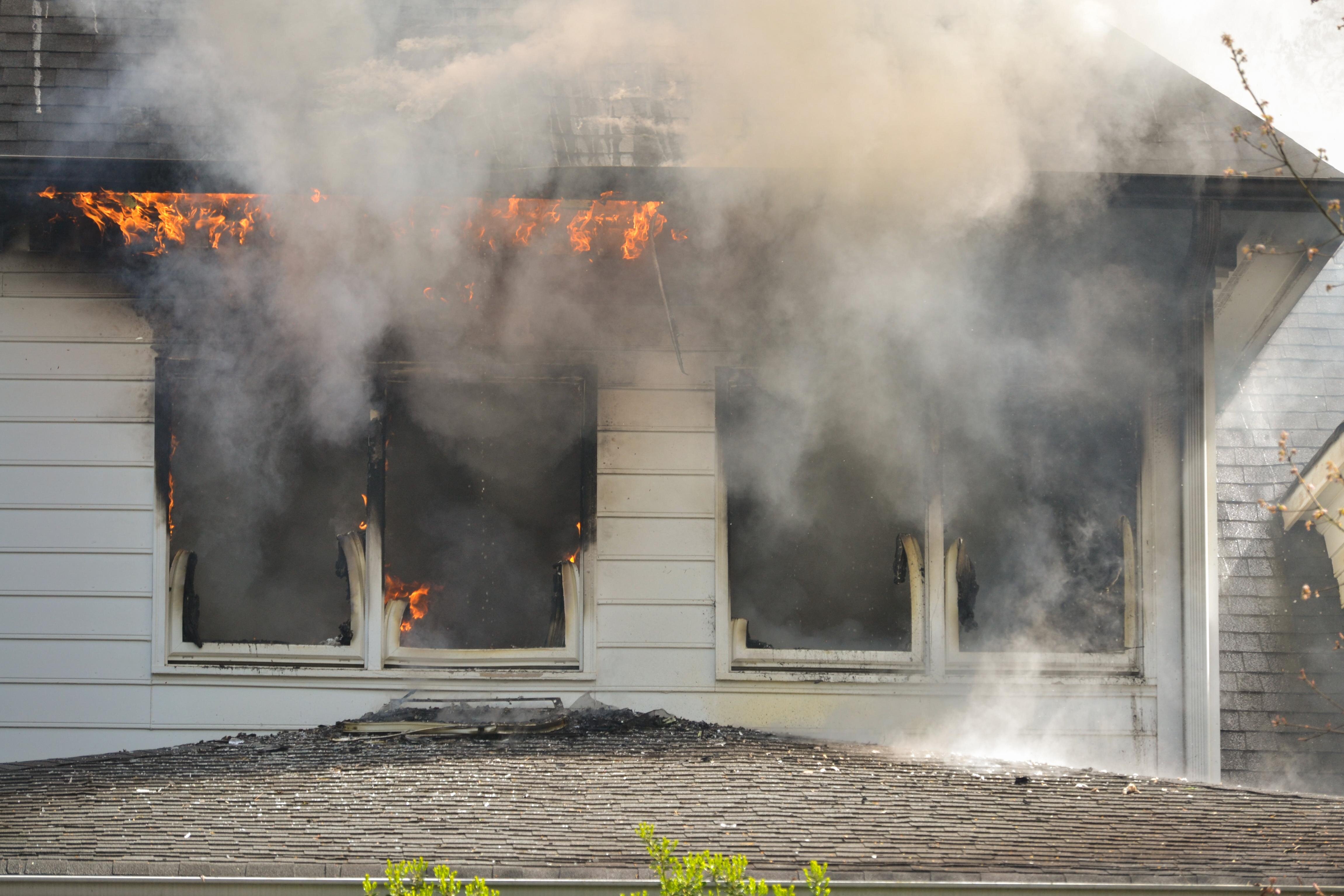
A house fire can leave you facing decisions you never expected to make. The flames may have affected only one room, yet smoke has traveled through the ventilation system, firefighters have opened walls, and the insurance company is still investigating the claim. Meanwhile, the mortgage, property taxes, and other ownership expenses continue.
You can often sell a fire-damaged house in Greenville, South Carolina, without completing a full restoration first.
This guide focuses on the decisions unique to a house fire: incident reports, smoke and soot, fire-suppression damage, claim proceeds, reconstruction permits, and selling before repairs are finished. GSP Investors LLC considers houses needing extensive work in Greenville, including properties affected by fire.
Can You Sell a Fire-Damaged House As-Is in Greenville?
Generally, yes. A willing buyer may purchase a property with unrepaired fire damage under an appropriate contract. Selling as-is means the parties agree on the property’s condition and their repair responsibilities; it does not automatically cancel safety orders, title requirements, or South Carolina disclosure duties.
The distinction between a small kitchen fire and a major structural fire matters.
Before advertising, identify which areas are safe to access, which systems were disconnected, and what work remains. A local purchaser can evaluate the property without promising to ignore those problems. See home-selling options in Greenville for a broader explanation of direct sales.
What Should You Do Immediately After a House Fire?
Do not reenter until the fire department or responsible officials say it is safe. Damaged floors, compromised framing, exposed electrical equipment, gas lines, and debris can make a building dangerous even after the flames are out. If the cause remains under investigation, avoid disturbing the scene or moving evidence without permission.
When it is safe, photograph visible damage, note affected rooms, and preserve receipts for temporary lodging, boarding, and emergency protection. Contact your insurer promptly, explain the event, and ask about next steps before disposing of damaged materials. The U.S. Fire Administration’s recovery guide also covers essential documents, temporary living arrangements, and immediate post-fire decisions.
Arrange approved measures to prevent additional losses, such as securing openings or protecting exposed areas from weather. Do not reconnect utilities or undertake structural cleanup yourself when qualified assessment is required.
How Do You Obtain a Fire Report in Greenville?
The department that responded matters. A Greenville mailing address does not necessarily mean the property is within City of Greenville limits; surrounding properties may be served by other fire departments or districts.
For an incident within the city, the Greenville City Fire Department provides information about incident reports. Its After the Fire page includes a way to request a fire incident report and information about property security and recovery.
For an address outside city limits, identify the responding department from the incident paperwork and contact that agency for its records process. Ask whether the investigation is complete, whether the site is released for contractor access, and whether a separate building-safety determination or order exists. A fire incident report records the response; it is not automatically a structural-safety certificate or permission to reoccupy the house.
What Fire, Smoke, and Structural Damage Should You Assess Before Selling?
A burn mark is only part of the picture. Fire can affect materials and systems far from the visible flames.
Structural Heat Damage
High temperatures can weaken framing, roof components, floor assemblies, and connections. An appropriate structural professional may need to determine what can remain, what must be replaced, and whether the building can safely support repair activity. Don’t rely on the appearance of charred wood alone to judge load-bearing capacity.
Smoke, Soot, and Odor
Smoke can move through wall cavities, insulation, ductwork, cabinets, and finishes. Request a written restoration scope identifying which components will be cleaned, sealed where appropriate, or replaced; ask whether HVAC components need separate evaluation.
Water Used to Extinguish the Fire
Firefighting water can affect drywall, subflooring, insulation, and electrical systems. The resulting moisture may need rapid mitigation to prevent further deterioration. Our Taylors water-damage guide covers moisture assessment in detail; this article remains focused on the overall fire loss.
Utilities and Hazardous Materials
Before reconnecting electricity, gas, or HVAC equipment, ask whether licensed specialists and inspections are required. Older materials, ash, debris, and damaged finishes may need controlled handling. Avoid aggressive do-it-yourself demolition when hazardous materials or uncertain structural conditions could be present.
Does Homeowners Insurance Cover Fire Damage in South Carolina?
Fire is commonly a covered cause of loss under homeowners insurance, but your actual coverage depends on the policy. Deductibles, exclusions, policy limits, cause-of-loss findings, and valuation provisions affect the settlement. The South Carolina Department of Insurance explains building coverage, belongings, and additional living expenses for covered losses.
Request the policy declarations, endorsements, claim number, adjuster’s contact details, and written estimate. Ask how the insurer calculates replacement cost versus actual cash value, including whether additional amounts are payable only after eligible repairs are completed.
Building damage, belongings, and temporary accommodation may be handled under different coverage sections. Do not treat a personal-property payment as money available for the house sale or assume that every promised restoration dollar can be retained after selling without rebuilding.
The state’s post-disaster guidance recommends documenting damage and keeping repair records. If a decision is disputed, request the insurer’s written explanation and consider professional coverage advice.
Can You Sell While the Fire Insurance Claim Is Still Open?
Possibly, but plan the transaction carefully. Selling may change who is entitled to pending claim benefits and whether amounts held for restoration can be released, so coordinate the insurer’s position with your purchase contract.
Before accepting an offer, get written answers about the claim status, approved amounts, amounts already paid, and any recoverable depreciation or withheld benefits. Tell the closing attorney about every outstanding claim check and whether another party is named as payee.
An agreement to sell the house does not automatically transfer the insurance claim to the buyer, and the buyer should not assume it receives future payments. If either side proposes assigning benefits or changing responsibility for repairs, have the insurer and attorneys review the proposed terms.
Use the South Carolina Department of Insurance’s claim-payment explanation to understand why money may arrive in stages. Count only funds you are legally entitled to retain in your net-proceeds calculation, and never count the same insurance amount twice.
What Happens to Insurance Money When You Have a Mortgage?
The mortgage remains payable even when the home cannot be occupied. A lender also has a financial interest in the damaged building.
The Consumer Financial Protection Bureau explains that claim checks for building damage are commonly issued jointly to the borrower and mortgage servicer. Depending on loan documents and the loss, a servicer may oversee repair disbursements or require particular arrangements before proceeds can be released.
Call your servicer and ask about its fire-loss procedures, mortgage payoff, and how a sale would affect held insurance funds. Do not assume an insurance check can simply be deposited and added to your equity. If payments are becoming difficult, discuss available assistance promptly rather than skipping installments while waiting for a buyer.
Should You Restore, Partially Repair, or Demolish the House?
First obtain a written assessment of what can safely remain. Restoration may be feasible after a contained fire, while severe damage could require extensive reconstruction or removal of unsafe elements. An insurer’s total-loss classification does not, by itself, authorize demolition.
Ask qualified contractors to separate emergency stabilization, soot removal, structural work, electrical and mechanical replacement, building finishes, and code-required improvements. A quote that covers only cleanup does not establish the full cost of making the house marketable.
Before accepting a restoration estimate, ask your insurance adjuster and contractor whether debris removal, demolition, smoke-odor treatment, and required building-code upgrades are included. Some expenses may have separate coverage limits or conditions. A repair budget that excludes these items could significantly underestimate your actual restoration costs.
Demolition may be appropriate in some cases, but it changes the asset being sold and may involve utility disconnections, permits, disposal requirements, and additional costs. Before choosing that path, compare the value of the damaged structure and land with the value after demolition.
Our Greenville major-repairs guide discusses general renovation economics, but fire-loss decisions also depend on the investigation, insurance settlement, and rebuilding approvals.
Do Fire-Damage Repairs Require Permits in Greenville?
Often, when work involves structural repairs, electrical systems, plumbing, mechanical equipment, or demolition. Confirm jurisdiction from the actual parcel, not merely its Greenville mailing address.
For property inside the city, consult the City of Greenville’s permit requirements and its building and demolition permit application resources. For property governed by Greenville County, use County Building Safety and Permitting.
Ask whether a damage assessment, separate structural report, demolition permit, utility inspection, or final approval is needed. Requirements depend on the work and the applicable authority; do not assume that a contractor’s cleanup invoice means the building is cleared for occupancy.
If officials issued a notice or unsafe-structure order, follow the documented requirements. Our Greenville code-violations article addresses those enforcement issues separately.
Must You Disclose Previous Fire Damage in South Carolina?
For covered transactions, South Carolina’s Residential Property Condition Disclosure Act generally requires the prescribed disclosure statement, subject to statutory exemptions. The official 2025 Property Condition Disclosure Statement specifically asks in Question 20 about problems caused by fire, smoke, or water during the owner’s ownership.
Other questions can concern damaged structural components, electrical systems, insurance issues, code violations, and government notices. Answer accurately according to the form and your knowledge. Provide available reports and explain repairs where applicable.
An as-is contract is not permission to hide a known fire. The form’s “No Representation” choice is not a way to conceal facts you know. If information materially changes after disclosure, South Carolina law may require a prompt correction.
Some transfers are exempt from the statutory form, but exemptions do not authorize intentional misrepresentation. Consult a South Carolina real estate attorney if an insurance dispute, unresolved order, or contested damage report creates uncertainty.
Can a Fire-Damaged Home Qualify for Buyer Financing?
Financing depends on the specific property and loan requirements. A lender or insurer may object to damaged wiring, missing heat or utilities, unsafe framing, unresolved smoke contamination, or an uninhabitable structure.
A home that has been properly restored and approved for occupancy may attract a broader range of financed buyers. An unrepaired property may appeal mainly to buyers who can use cash or specialized renovation financing. Do not promise FHA or conventional eligibility without the buyer’s lender confirming it.
If an inspection occurs after contract signing, ask for the lender’s actual written condition before offering repairs or credits. An agreed discount doesn’t necessarily satisfy a repair requirement. The Simpsonville failed-inspection guide explains negotiation and contract considerations in greater detail.
Three Options for Selling a Fire-Damaged Greenville House
1. Restore the House and List It
Restoration can reopen the market to buyers who want a finished home. But you must coordinate estimates, permits, insurer and lender requirements, inspections, and repairs, with the risk of discovering more damage.
2. List the Property As-Is
An agent can market the house with an accurate fire history and available documentation. You avoid extensive seller-managed reconstruction, but buyers will account for cleanup and unknowns, and some financing will not work.
3. Request a Direct Purchase Offer
A direct buyer may consider the property in its damaged condition and evaluate the restoration burden after acquisition. The offer will reflect the costs and risks. Review the terms, contingencies, proof of funds, and title requirements using GSP Investors’ selling-options comparison.
Greenville Example: Restore After a Fire or Sell As-Is?
Consider a hypothetical Greenville house with significant kitchen and living-area fire damage, soot in other rooms, and water from suppression. The owner has estimates for restoration but has not assumed any insurance proceeds in the comparison.
| Estimated item | Restore and list | List as-is | Direct cash sale |
|---|---|---|---|
| Selling price | $360,000 | $270,000 | $234,000 |
| Fire cleanup and restoration | $85,000 | $0 | $0 |
| Seller-paid selling and closing expenses | $22,000 | $16,000 | $0* |
| Holding costs | $10,000 | $5,000 | $1,000 |
| Assessment and documentation | $3,000 | $3,000 | $3,000 |
| Estimated proceeds before debt payoff | $240,000 | $246,000 | $230,000 |
Illustrative figures, not Greenville market averages, contractor quotes, or guaranteed offers. The direct-sale column assumes the buyer pays ordinary seller closing expenses. Mortgage payoff, liens, taxes, and insurance proceeds are excluded.
Here the as-is listing yields $6,000 more than restoring and listing. The direct sale yields $16,000 less than the as-is listing, but avoids seller-managed construction. Have an attorney or qualified adviser determine how any claim proceeds fit into the transaction rather than adding the same payment twice.
What If the Fire-Damaged House Is Uninsured or Underinsured?
You may not have enough insurance to finance the restoration, or the claim may be disputed. First obtain written repair scopes, understand the policy decision, and compare realistic sale offers before committing to loans or major contracts.
When the house is unsafe, ask the relevant authority what stabilization, security, or hazard obligations remain regardless of the sale. A buyer’s willingness to purchase does not automatically cancel orders or eliminate responsibility for damage occurring before closing.
Avoid assuming that the highest projected restored price provides the best financial outcome when restoration funds are unavailable.
What If the House Is Vacant or You Live Elsewhere?
A boarded-up fire-damaged house can create additional exposure to trespass, weather, theft, and continuing deterioration. Ask your insurer about vacancy conditions, keep the property appropriately secured, and arrange documented local inspections if you cannot visit regularly.
Do not invite potential buyers inside without confirming the site is safe for access. Where needed, provide exterior photographs, authorized reports, and an appropriate inspection plan instead. Our Anderson vacant-property guide covers general holding expenses; the incident-release and fire safety decisions remain specific to this property.
If title is complicated by inherited ownership, divorce, or liens, address signing authority and payoff obligations before promising a closing date. Our Greenville liens article explains resolving recorded claims.
Checklist Before Selling a Fire-Damaged House in Greenville
- Confirm access and safety. Obtain clearance from the responsible authority before entering or arranging showings.
- Collect incident records. Identify the responding fire department and any investigation or safety notice.
- Document the loss. Preserve photographs, invoices, contractor findings, and insurance communications.
- Identify hidden damage. Check structural systems, smoke, soot, HVAC, and firefighting-water effects.
- Review claim funds. Clarify approved payments, withheld amounts, and mortgage-servicer requirements.
- Compare written scopes. Separate emergency stabilization, restoration, rebuilding, and demolition.
- Verify local permits. Confirm city or county jurisdiction and applicable inspections.
- Complete disclosures. Describe known fire and smoke damage accurately, including previous repairs.
- Calculate net proceeds. Include selling expenses, holding costs, and legally available insurance proceeds.
- Review buyer terms. Confirm financing, title clearance, access conditions, and realistic closing obligations.
How GSP Investors LLC Evaluates Fire-Damaged Houses in Greenville
GSP Investors LLC considers properties affected by fire in Greenville. You do not need to promise that every room has been restored before asking whether a direct purchase is possible.
Provide the property address, known fire damage, access restrictions, insurance status, and any contractor or government records available.
A cash offer does not guarantee that every unsafe structure can be acquired immediately. Proper title, access, contract terms, and any applicable orders still matter. Review how GSP Investors buys houses and customer reviews while considering your options.
Frequently Asked Questions About Selling a Fire-Damaged House in Greenville, SC
1. Can I sell my Greenville house after a fire?
Yes. A willing buyer may purchase an unrepaired fire-damaged property, subject to legal requirements, disclosures, safety conditions, and the contract.
2. Do I have to restore the house before selling it?
Not necessarily. Some buyers accept fire damage as-is, although unresolved orders or lender requirements can affect the transaction.
3. Will homeowners insurance pay for fire damage?
Often, fire is covered. The actual payment depends on the policy, limits, deductible, cause-of-loss determination, and claim terms.
4. Can I sell while my fire insurance claim is open?
Potentially. Confirm claim ownership, mortgage-servicer interests, and payment arrangements with the insurer and closing attorney before signing.
5. Must I disclose a previous house fire in South Carolina?
Applicable disclosure requirements specifically address known fire, smoke, and water damage. An as-is sale does not automatically waive them.
6. Can smoke damage remain after the flames are extinguished?
Yes. Soot and odors can affect insulation, HVAC components, and finishes beyond the visibly burned room.
7. Do fire-damage repairs require permits in Greenville?
Structural, electrical, plumbing, mechanical, and demolition work may require permits. Confirm the property’s city or county jurisdiction.
8. Can I sell a house declared unsafe after a fire?
Possibly, but applicable orders and access restrictions must be addressed. Selling does not automatically cancel them.
9. Is it better to restore a burned house or sell as-is?
Compare realistic sale offers after restoration, holding costs, selling expenses, and any legally available insurance payments.
10. Will GSP Investors LLC consider my fire-damaged house?
Yes. GSP Investors LLC considers fire-damaged Greenville properties. Any purchase depends on the condition and agreed transaction terms.
Compare Your Options Before Starting Fire Restoration
After a house fire, the best selling decision rarely comes from looking only at the repaired home’s potential price. The incident report, structural findings, insurer’s written position, local permits, and buyer financing all matter. Choosing not to rebuild is a legitimate option when a qualified buyer can assume the restoration scope under an appropriate contract.
Get the facts, compare net proceeds, and choose the path that fits your circumstances. To explore a direct sale, request a no-obligation offer or contact GSP Investors LLC at (864) 671-1011.
This guide provides general information, not legal, insurance, tax, environmental, engineering, or financial advice. Consult qualified professionals about safety, coverage, repairs, disclosures, and your specific transaction.